
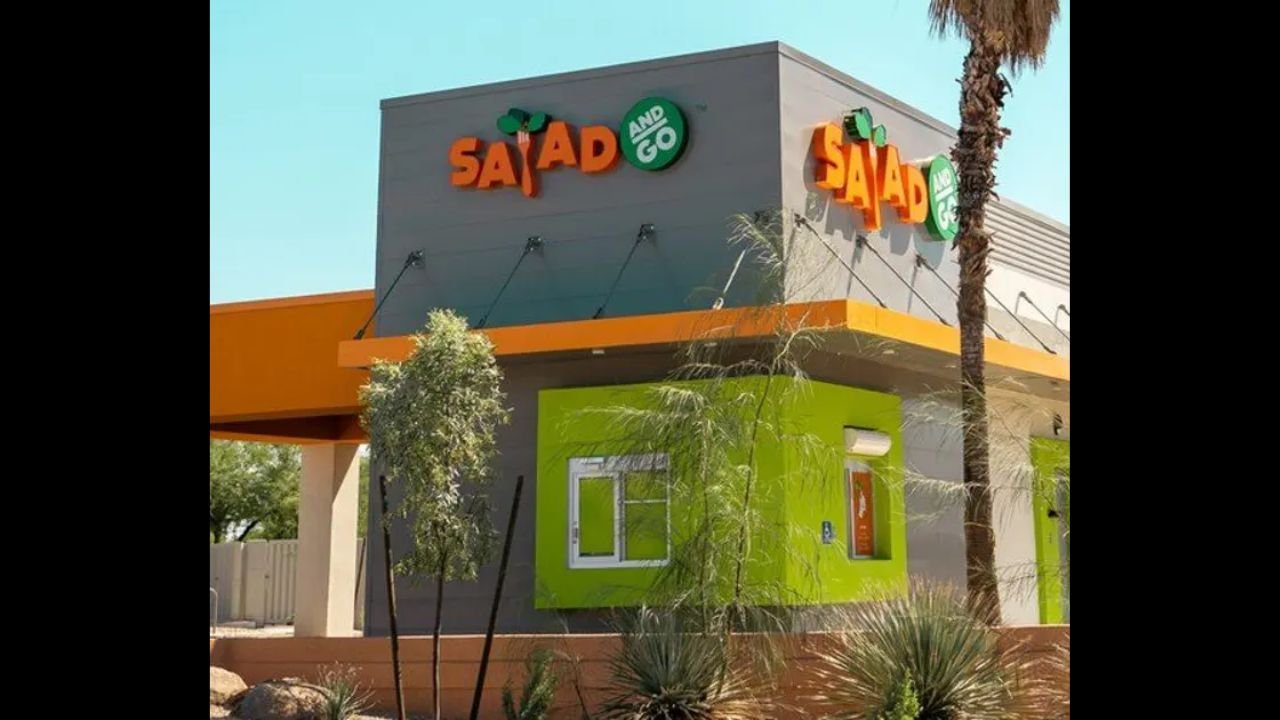
Salad and Go, once known as one of the fastest-growing healthy fast-food chains in the United States, has officially closed all of its restaurants. The Arizona-based company ended operations after filing for Chapter 11 bankruptcy and shutting down its remaining locations across Arizona and Nevada.
The closure marked the end of a 13-year journey for a brand that built its reputation around affordable salads, wraps, breakfast items, and convenient drive-thru service. The company’s shutdown surprised many loyal customers who had followed its mission of making healthier food accessible at quick-service prices.
Final Closure
Salad and Go permanently closed all of its restaurants on Wednesday, August 5, 2026.
At the time of the shutdown, the company operated approximately 70 locations across Arizona and Nevada. Employees and customers were informed that the chain would no longer provide regular restaurant services.
The closure followed a Chapter 11 bankruptcy filing, which allowed the company to address financial challenges while managing its final operations.
Rapid Growth
Salad and Go began with an ambitious goal: bringing fresh, healthy meals to customers through a fast and affordable drive-thru model.
The company gained popularity because it offered items such as salads, wraps, smoothies, and breakfast options at prices lower than many traditional fast-casual competitors.
Its compact restaurant design and focus on convenience helped the brand expand quickly, especially throughout the Southwest.
However, the same aggressive growth strategy that helped Salad and Go become recognizable also contributed to financial pressure later.
Expansion Problems
One of the biggest factors behind the closure was the company’s rapid expansion after private equity investors acquired the brand from its original founders in 2021.
The new ownership pushed for significant growth, including attempts to enter additional markets. However, expansion costs increased financial obligations and created challenges when some markets did not perform as expected.
The company later faced expensive lease commitments, including “dead rent” costs from locations it attempted to exit. These financial pressures made it harder for the chain to maintain profitability.
Rising Costs
Like many restaurant businesses, Salad and Go struggled with increasing operating expenses.
Higher food prices, supply chain challenges, labor costs, and changes in consumer spending habits affected the company’s already narrow margins.
The brand’s business model depended on offering healthy meals at affordable prices. However, maintaining low prices became increasingly difficult as expenses continued to rise.
Economic pressure across the restaurant industry forced many businesses to reconsider expansion plans and operating strategies.
Consumer Confidence Issues
Another challenge came from a wider food safety concern involving a Cyclospora outbreak in July 2026.
Although Salad and Go’s lettuce supply was not connected to the outbreak and no cases were linked to the company, the broader concern around fresh greens affected customer confidence.
Because salads were the foundation of the company’s menu, the industry-wide issue created additional difficulties during an already challenging period.
The decline in customer visits added further pressure to the company’s financial situation.
Farewell Message
Following the closure announcement, Salad and Go leadership expressed appreciation for customers and employees who supported the brand throughout its history.
CEO Mike Tattersfield thanked loyal guests and team members, who were known internally as “Greenies,” for helping build the company’s identity.
The farewell message highlighted the company’s original mission of making nutritious meals affordable and accessible for communities.
Customer Reaction
Many longtime customers expressed disappointment after learning that their local Salad and Go locations would close permanently.
The chain developed a strong following because it offered an alternative to traditional fast food. Customers appreciated the combination of convenience, fresh ingredients, and lower prices.
For many fans, the closure represented the loss of a unique restaurant concept that attempted to change expectations about drive-thru dining.
Industry Lessons
The shutdown of Salad and Go reflects broader challenges facing the restaurant industry.
Fast expansion can create opportunities, but it can also increase financial risks when market conditions change. Rising costs, changing consumer habits, and unexpected industry disruptions can quickly affect growing brands.
The company’s story shows how difficult it can be to balance affordability, quality, and profitability in the competitive food-service market.
Salad and Go is no longer operating any restaurants after closing its remaining locations in August 2026. The company’s downfall was linked to several combined issues, including aggressive expansion, financial strain, rising costs, and reduced customer traffic.
Although the brand has closed, its impact on the healthy fast-food industry remains notable. Salad and Go introduced many customers to a faster and more affordable approach to fresh meals, leaving behind a loyal customer base and a memorable place in the restaurant world.