
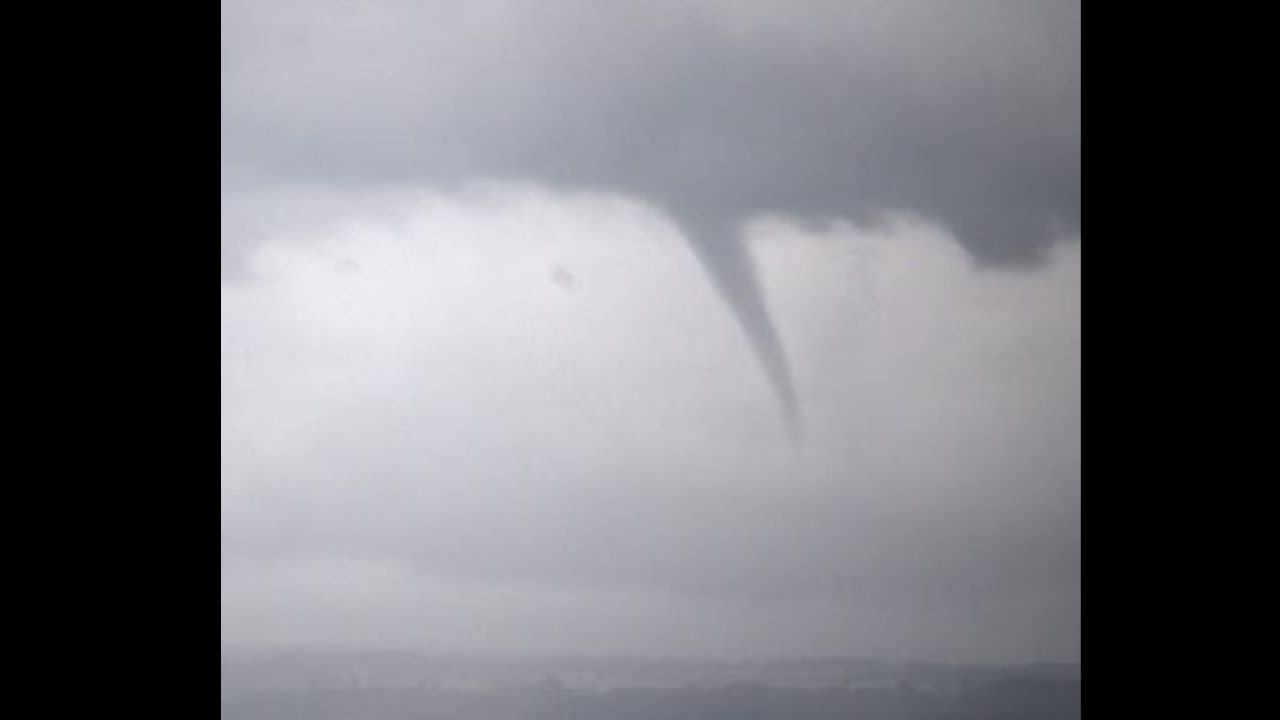
Residents across parts of the Northeastern United States are being urged to stay weather-aware after the National Weather Service highlighted the possibility of tornado development on Tuesday, July 14. Although the overall tornado probability remains relatively low compared to major outbreaks, forecasters say atmospheric conditions could support isolated tornadoes alongside strong thunderstorms.
The latest outlook places portions of New York, Vermont, New Hampshire, and Maine under a tornado risk, with the National Weather Service assigning a 2 to 5 percent probability for tornado formation in affected areas.
Meteorologists emphasize that even a lower-end tornado threat should be taken seriously, especially when severe thunderstorms are expected to develop rapidly.
Weather Outlook
The National Weather Service continues to monitor conditions across the Northeast as a weather system moves through the region.
Forecast models indicate that unstable air, combined with favorable wind patterns, may allow thunderstorms to strengthen during the day. While not every storm will become severe, a few could produce damaging weather capable of affecting travel, outdoor activities, and local communities.
Residents are encouraged to monitor updated forecasts throughout the day as conditions evolve.
States on Alert
The tornado outlook includes portions of the following four states:
- New York
- Vermont
- New Hampshire
- Maine
These areas could experience periods of heavy rain, gusty winds, frequent lightning, and isolated tornadoes if storms become organized.
The exact locations most likely to experience severe weather may shift as new forecast information becomes available.
Understanding the Risk
A tornado probability of 2 to 5 percent may appear small, but meteorologists stress that it represents a measurable chance of tornado development within a specified forecast area.
Even isolated tornadoes can produce localized damage, especially when they develop with little warning.
In addition to tornadoes, severe thunderstorms can generate powerful wind gusts capable of downing trees, damaging power lines, and creating hazardous driving conditions.
For that reason, weather officials encourage residents to remain prepared regardless of the percentage assigned to the forecast.
Storm Hazards
Alongside the tornado potential, strong thunderstorms may bring several additional weather hazards.
Heavy rainfall could reduce visibility for drivers and create temporary flooding in low-lying locations. Strong wind gusts may cause scattered power outages by damaging trees and utility lines.
Frequent lightning also remains a significant concern during severe thunderstorms, making outdoor activities particularly dangerous once storms approach.
Each of these hazards can develop quickly, highlighting the importance of monitoring weather updates.
Travel Concerns
Travelers across the Northeast should be prepared for changing weather conditions.
Heavy rain and strong winds may reduce visibility on highways, while sudden downpours can create standing water on roadways. Air travel may also experience delays if thunderstorms move near major airports.
Anyone planning to travel through the affected states should check weather forecasts before departing and allow additional time if storms are expected along the route.
Remaining flexible with travel plans can help reduce unnecessary risks.
Safety Tips
Weather experts recommend taking several simple precautions when severe weather is possible.
Stay informed by monitoring trusted weather sources and enabling emergency alerts on mobile devices. If a warning is issued for your area, move to a sturdy building and seek shelter in an interior room on the lowest floor, away from windows.
Avoid remaining outdoors during thunderstorms, and never attempt to drive through flooded roads.
Preparing in advance often allows people to respond more quickly if conditions deteriorate.
Why the Northeast?
Although tornadoes are more commonly associated with the Great Plains and parts of the Southeast, they can develop in the Northeast under the right atmospheric conditions.
Warm, humid air interacting with approaching weather systems can occasionally produce rotating thunderstorms capable of generating tornadoes.
While such events are generally less frequent than in traditional tornado-prone regions, they remain an important part of the area’s severe weather pattern during the warmer months.
This is why meteorologists continue monitoring conditions closely whenever favorable ingredients come together.
Staying Updated
Weather forecasts can change throughout the day as new information becomes available.
Meteorologists regularly update severe weather outlooks, watches, and warnings based on radar data, satellite observations, and atmospheric conditions.
Residents in the affected states should continue checking official weather information, particularly if they have outdoor plans or must travel during the afternoon and evening.
Receiving timely updates can make a significant difference when severe weather develops rapidly.
Preparedness Matters
Even when the overall tornado threat is considered relatively low, preparation remains one of the best ways to stay safe.
Knowing where to take shelter, keeping emergency supplies available, and maintaining awareness of changing weather conditions can help families respond effectively if storms intensify.
Communities across New York, Vermont, New Hampshire, and Maine are encouraged to remain alert while the weather system moves through the region.
The National Weather Service’s latest outlook highlights the potential for isolated tornadoes and severe thunderstorms across portions of the Northeast on Tuesday, July 14. While the forecast probability remains between 2 and 5 percent, weather experts emphasize that even isolated severe storms can create dangerous conditions.
Residents in New York, Vermont, New Hampshire, and Maine should remain informed, monitor official weather updates, and be prepared to act if watches or warnings are issued. Staying weather-aware and responding promptly to official guidance are the best ways to remain safe during periods of changing weather.