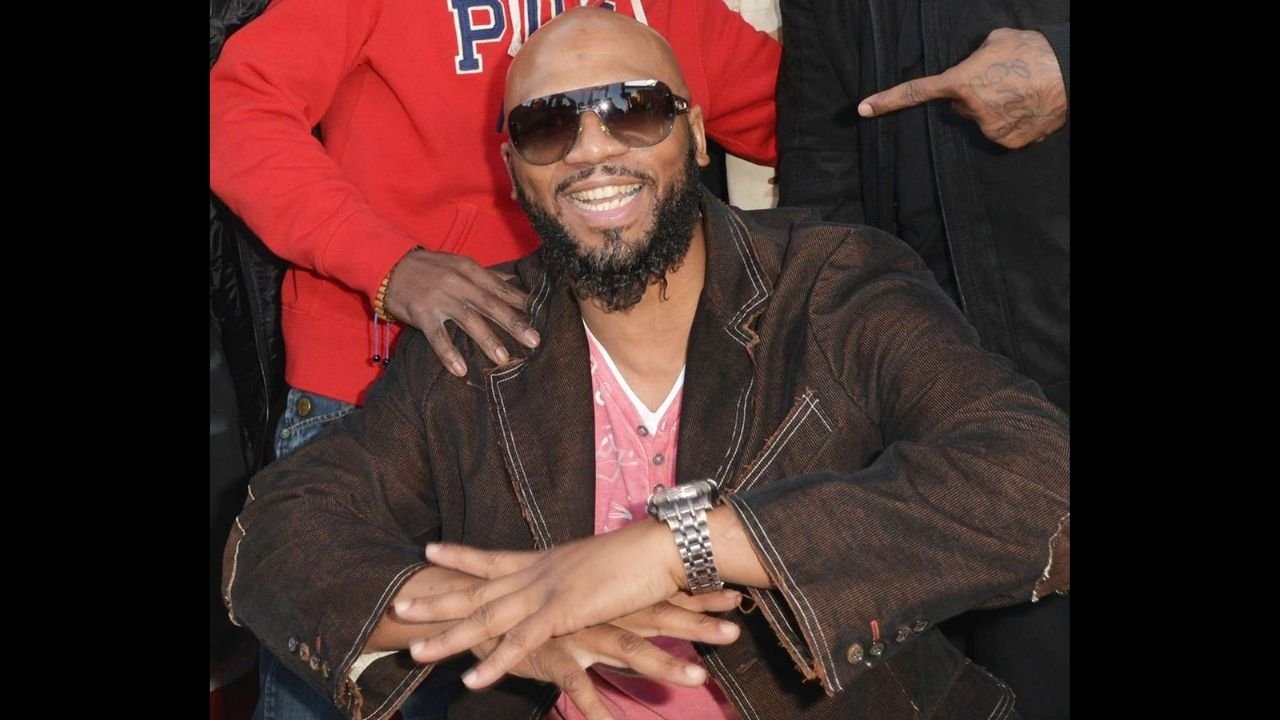
Samuel Monroe Jr. was an American actor and musician whose face became familiar to audiences through a string of memorable films during the 1990s. Following his death at age 52 on August 26, 2026, renewed interest in the Menace II Society actor has brought questions about his nationality, birthplace and background.
Monroe held American nationality. He was born in Los Angeles, California, on November 28, 1973, and built his acting and music careers in the United States.
His Los Angeles roots are particularly relevant to his career. Monroe emerged during an influential period for Black American filmmaking and appeared in several movies that explored life, crime, relationships and culture in urban communities.
From Menace II Society to The Players Club, Monroe developed a distinctive screen presence that remained recognizable decades later.
His Nationality
Samuel Monroe Jr. was American.
He was born and raised in Los Angeles and spent his professional career working primarily in the American entertainment industry.
Nationality and ethnicity are sometimes confused when people search for information about actors. They describe different aspects of a person’s background. Monroe’s nationality was American, while he was African American.
Reliable public biographies provide little detailed information about his deeper family ancestry, so it would be inaccurate to assign him a more specific ancestral background without confirmation from his family.
What is firmly documented is his connection to Los Angeles and American film culture.
Born in Los Angeles
Monroe was born on November 28, 1973, in Los Angeles, one of the most important centers of the American entertainment industry.
His hometown would become particularly significant to the type of movies that helped establish his career.
During the early 1990s, filmmakers including John Singleton, the Hughes brothers and others brought increased attention to stories centered on Black communities in Los Angeles and elsewhere.
These movies dealt with subjects ranging from family and friendship to racism, policing, economic hardship and street violence.
Monroe became part of that filmmaking era.
Early Career
Monroe started appearing professionally on television before receiving the movie role for which many viewers still remember him.
One of his early television credits came on the NBC sitcom Out All Night, which starred Patti LaBelle, Morris Chestnut and Vivica A. Fox.
His career received a much larger boost in 1993 with Menace II Society.
Directed by brothers Allen and Albert Hughes, the movie followed Caine Lawson, played by Tyrin Turner, as he attempted to navigate violence and difficult choices in South Central Los Angeles.
Monroe appeared as Ilena’s cousin.
It was not one of the film’s largest roles, but his forceful performance helped make the character memorable.
1990s Movies
Menace II Society opened the door to more film appearances.
Monroe played Bulldog in the 1995 horror anthology Tales from the Hood. The film combined horror with social commentary and eventually developed a strong cult following.
In 1996, he appeared in Set It Off, the crime thriller starring Jada Pinkett Smith, Queen Latifah, Vivica A. Fox and Kimberly Elise.
That same year, Monroe demonstrated a different side of his acting in Don’t Be a Menace to South Central While Drinking Your Juice in the Hood.
The Wayans brothers comedy spoofed many of the urban dramas that had become prominent earlier in the decade. Monroe’s appearance allowed him to participate in a parody of the same tough-guy screen world with which some viewers already associated him.
The Players Club
Another recognizable role arrived in 1998 with The Players Club.
The movie marked Ice Cube’s feature directorial debut and starred LisaRaye McCoy as Diana Armstrong, a young woman working at a nightclub while trying to support herself and her son.
Monroe played Junior.
The film became another lasting title within late-1990s Black cinema and added to a résumé that connected Monroe with several culturally significant productions from the decade.
His body of work was broader than these well-known movies, however.
TV Career
Monroe continued working across film and television for years.
His television appearances included NYPD Blue, The Steve Harvey Show, Southland and Black Jesus.
Later movie credits showed that he remained active well beyond the period most strongly associated with his name.
Although Monroe never became a conventional Hollywood leading man, he carved out a career as a character actor capable of leaving an impression in supporting roles.
That ability explains why viewers continued recognizing his performances years after their original releases.
Music Career
Monroe also pursued music alongside acting.
He performed under the name Caffeine, also styled in some credits as Caffamilliano.
His musical work included the album Things in the Game Done Changed, which emerged around the turn of the millennium and featured collaborations with established hip-hop artists.
His involvement in rap was a natural extension of the entertainment environment surrounding many of his movies.
During the 1990s, hip-hop and cinema became increasingly interconnected, with rappers moving into acting and film performers appearing in projects connected with rap culture.
Monroe participated in both worlds.
Final Illness
Monroe faced an extremely serious health crisis during the final months of his life.
According to accounts shared by his family, he became ill with meningitis while working in Las Vegas. His condition deteriorated and eventually required hospitalization.
His wife, Shawna Stewart, described a lengthy medical struggle involving neurological complications and multiple procedures.
Reports following his death said he also experienced MRSA pneumonia and other serious complications during the months-long illness.
His family had publicly sought support and prayers as his condition remained critical.
Death at 52
Samuel Monroe Jr. died on August 26, 2026, at Providence Saint Joseph Medical Center in Burbank, California.
He was 52 years old.
The news was confirmed by his family following his prolonged illness.
Monroe left behind his wife, his children and his mother, as well as a screen catalogue stretching across more than three decades.
His death prompted renewed attention to performances that had made him an identifiable part of 1990s American cinema.
Samuel Monroe Jr.’s nationality was American, and Los Angeles remained central to his personal and professional story.
Born in the city in 1973, he entered entertainment during an especially important period for Black filmmakers and performers. Instead of becoming associated with just one project, he appeared across several movies that developed lasting audiences, including Menace II Society, Tales from the Hood, Set It Off and The Players Club.
His work also crossed into television and hip-hop, giving his career a reach beyond the roles for which he is best remembered.
Monroe’s death at 52 brought that journey to an early end, but his performances remain part of a distinctive chapter in American film history—and a lasting connection to the Los Angeles culture from which his career emerged.