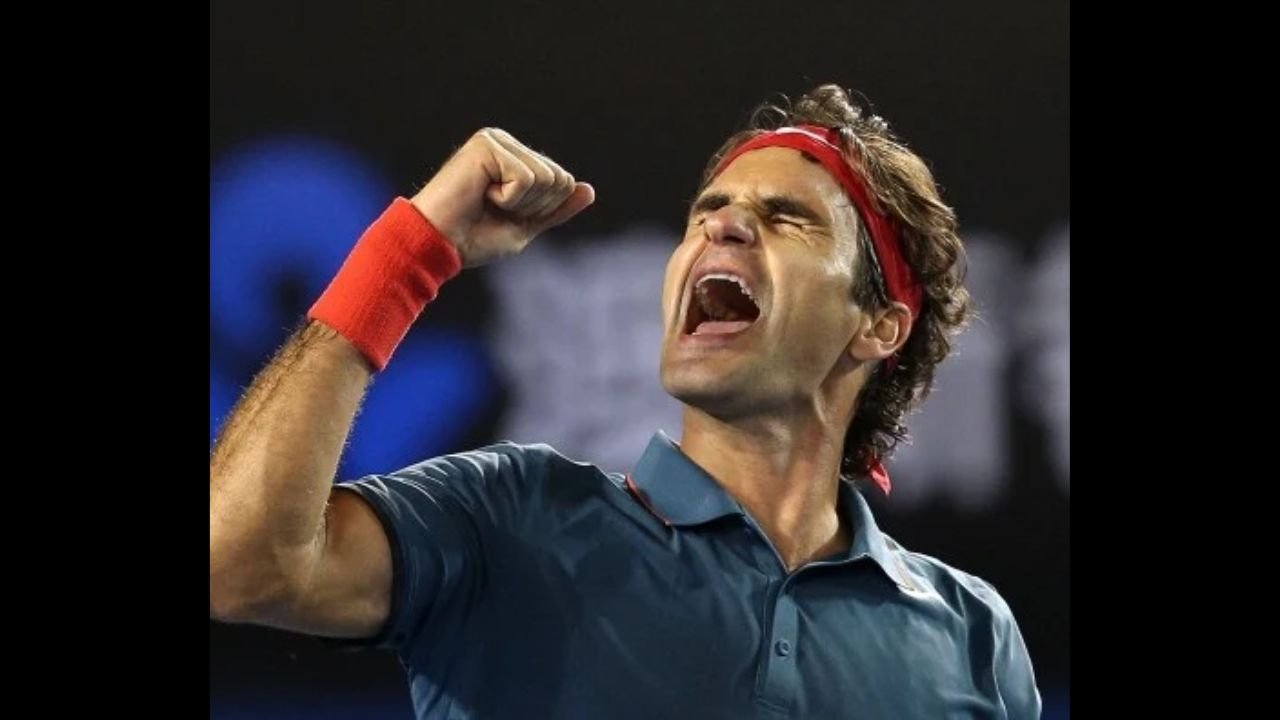
Roger Federer turned extraordinary success on the tennis court into an even bigger financial legacy away from it. The Swiss sporting icon retired from professional tennis in 2022 after winning 20 Grand Slam singles titles, but his earning power did not retire with him.
Current estimates place Roger Federer’s net worth at around $1.1 billion, although his exact personal wealth is not publicly disclosed. His fortune has been built through a combination of tournament earnings, long-running endorsement contracts, business investments and equity stakes.
What makes Federer’s financial story particularly striking is that prize money represents only a fraction of his overall wealth.
Early Tennis Earnings
Federer spent more than two decades competing at the highest level of professional tennis.
His career prize money reached approximately $130.59 million, according to ATP records and widely reported financial figures. That places him among the highest-earning players in tennis history based purely on tournament winnings.
However, Federer’s commercial appeal consistently exceeded his on-court income.
His elegant playing style, global popularity and reputation away from competition made him an attractive ambassador for some of the world’s most valuable brands.
The On Investment
One of Federer’s most significant financial moves came outside tennis.
In 2019, he became an investor in Swiss sportswear company On, joining the brand as both a partner and ambassador. Reports have placed his ownership stake at roughly 3%, although the precise size and current value of his holdings are not publicly confirmed.
On later became a publicly traded company on the New York Stock Exchange.
As the company’s valuation climbed, the estimated value of Federer’s stake increased dramatically. Some estimates have placed the holding in the hundreds of millions of dollars.
The investment demonstrated why Federer’s fortune cannot be understood simply by adding up his tennis prize money.
The Uniqlo Contract
Another defining deal was Federer’s agreement with Japanese clothing company Uniqlo.
In 2018, he ended his long association with Nike and signed a reported 10-year, $300 million contract with Uniqlo.
The agreement was especially significant because it was structured to continue beyond his professional playing career.
That meant Federer could remain commercially valuable to the company even after he stopped competing.
At the reported value of $300 million over a decade, the contract equates to roughly $30 million annually, although the exact contractual payment structure has not been publicly detailed.
Sponsorship Power
Federer’s commercial portfolio has long included some of the world’s most recognizable brands.
Among companies associated with him are Rolex, Mercedes-Benz, Moët & Chandon, Lindt, Wilson and Rimowa.
His relationship with Rolex is particularly synonymous with his public image. The luxury watch company has remained closely connected to Federer throughout his career and retirement.
At the height of his playing career, endorsement income alone was estimated to reach enormous annual levels, at times exceeding what he earned from tournaments.
That distinction explains how an athlete with roughly $131 million in career prize money could ultimately build a fortune approaching or exceeding $1 billion.
Forbes Recognition
Federer’s financial success has increasingly attracted attention from major wealth rankings.
Forbes has reported on his enormous commercial earnings and, in 2026, Federer appeared on its billionaire-related coverage as his estimated fortune reached the billion-dollar threshold.
Such rankings are estimates rather than audited statements of personal assets.
The value of publicly traded investments can also change from one day to the next, meaning an athlete’s estimated net worth can rise or fall significantly without any new salary or endorsement being signed.
Retirement Changed Nothing
Federer’s final professional appearance came at the 2022 Laver Cup, where he partnered with longtime rival and friend Rafael Nadal in an emotional doubles match.
Retirement ended his competitive career, but it did not end his business opportunities.
His existing sponsorship agreements, investments and brand relationships continued to generate value.
In fact, Federer’s retirement created a different commercial proposition. Rather than being marketed primarily as an active tennis player, he could increasingly operate as a global sports icon, investor and entrepreneur.
A Global Brand
Federer’s name carries substantial value beyond traditional advertising.
His public image has been built around precision, longevity, sportsmanship and luxury, qualities that fit naturally with premium international companies.
This has allowed him to work with brands that extend well beyond sporting goods.
His business interests also demonstrate a broader shift among elite athletes. Modern sports stars increasingly seek ownership positions and long-term investments instead of relying exclusively on endorsement fees.
Federer’s On investment is one of the clearest examples of that strategy.
Giving Back
Federer’s wealth has also supported a significant philanthropic effort.
Through the Roger Federer Foundation, he has funded education initiatives designed to improve opportunities for young children.
The foundation has worked in Switzerland and several African countries, with a particular emphasis on early childhood education and learning opportunities.
Reports have put the foundation’s total charitable commitment at close to $100 million, although individual program funding and cumulative figures vary by reporting period.
Where His Wealth Comes From
Federer’s estimated fortune can broadly be understood through several major categories:
- Tennis prize money
- Uniqlo and other endorsement contracts
- Equity in On
- Long-term luxury partnerships
- Brand licensing and appearances
- Other investments and business interests
No single public source provides a complete balance sheet of his personal assets.
That is why estimates should be viewed as an indication of his financial scale rather than an exact figure.
Roger Federer’s estimated net worth is around $1.1 billion, according to recent public estimates.
His journey to billionaire status was not driven by tennis prize money alone. His approximately $130.59 million in career tournament earnings provided a substantial foundation, but endorsements and investments created the larger fortune.
The reported $300 million Uniqlo agreement and his investment in On have been especially important to his post-tennis financial story.
Federer’s career ultimately became a model for modern athlete wealth: win at the highest level, build a powerful global reputation, choose long-term commercial partners and turn that reputation into ownership.
Even after leaving professional tennis, the Swiss champion remains one of sport’s most valuable and recognizable business figures.