Portuguese footballer Quevin Castro died after collapsing during a pre-season friendly in Portugal on August 22, 2026. He was 25.
The midfielder had recently joined third-tier Real Sport Clube and was playing against Estrela da Amadora at the Estádio das Seixas in Malveira when the medical emergency occurred. The match was abandoned after the incident, while tributes quickly followed from clubs in Portugal and England.
The most important point surrounding the tragedy is that a specific medical cause of death has not been publicly confirmed in the reports available so far. Castro’s death followed a sudden collapse on the pitch, but it would be premature to describe a particular heart condition or other illness as the confirmed cause.
What Happened?
Castro reportedly began feeling unwell during the opening stages of the friendly.
He then collapsed on the field, prompting an immediate response from medical personnel representing the two clubs. Emergency treatment was carried out at the stadium, including the use of a defibrillator in an attempt to revive him.
He was subsequently taken by ambulance to a nearby hospital, where his death was confirmed.
The match was abandoned following the emergency.
The suddenness of the incident has understandably led to widespread questions about what caused the young footballer’s death. However, the circumstances of his collapse and the medical cause responsible are not necessarily the same thing.
Cause Not Confirmed
At present, there is no publicly confirmed cause of death that can reliably establish why Castro collapsed.
Reports have described the sequence of events—feeling unwell, collapsing, receiving emergency treatment and later dying in hospital—but that does not establish a definitive diagnosis.
A medical examination or post-mortem investigation may be required before authorities can determine the precise cause.
Therefore, claims that Castro definitely suffered a heart attack, cardiac arrest caused by a specific condition, or another particular medical problem should not be presented as established fact unless confirmed by his family, medical authorities or investigators.
Emergency Response
The response at the Estádio das Seixas was immediate.
Players and officials witnessed medical staff rushing toward Castro after he went down. A defibrillator was reportedly used as emergency personnel attempted to resuscitate him.
He was then transported to hospital.
The tragedy demonstrates how quickly a sporting event can turn into a medical emergency, even when professional medical teams are present. It also explains why the match was abandoned rather than continuing after Castro had been taken away.
A Young Career
Castro was only 25 and had already experienced football in both Portugal and England.
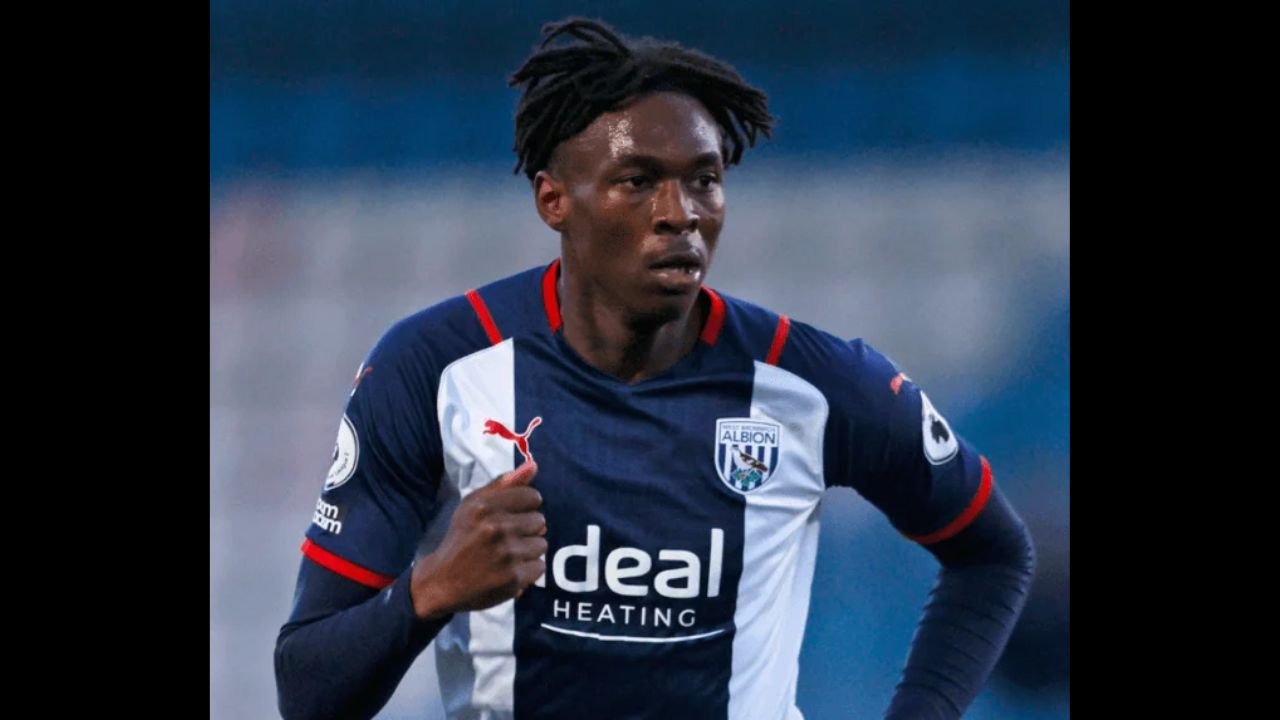
His career included a spell with West Bromwich Albion, where he joined in 2021. He made senior appearances for the English club, including matches against Arsenal and Swansea City.
The Portuguese midfielder later returned to football in his homeland, eventually joining Real Sport Clube.
His move to the club was supposed to represent another stage of his career rather than its conclusion.
West Brom Tribute
West Bromwich Albion was among the clubs to express shock following news of Castro’s death.
The English club remembered its former player and announced plans to pay tribute to him during an upcoming fixture.
The proposed tribute includes black armbands and a period of applause in the 25th minute, corresponding to Castro’s age at the time of his death.
The gesture reflects how strongly his passing has affected people who knew him during his time in English football.
Real Sport Clube Mourns
For Real Sport Clube, the loss came particularly close to home.
Castro had only recently become part of the club’s squad and was preparing for the new season. Instead, his teammates and staff were confronted with an unimaginable tragedy during what should have been a routine pre-season fixture.
The club described him as more than simply a footballer and mourned the loss of someone who had quickly become part of its sporting family.
No Evidence of Injury
Nothing in the information currently available indicates that Castro died because of an injury sustained during a football challenge.
His collapse was described as a medical emergency after he began feeling unwell.
That distinction matters because the incident happened during a football match, but there is no confirmed evidence that a collision or physical tackle caused his death.
Until a medical cause is officially established, the safest conclusion is that Castro suffered an unexplained medical collapse that proved fatal.
Football World Reacts
Castro’s death has prompted condolences across Portuguese and English football.
His former club, West Brom, expressed devastation, while Real Sport Clube mourned a player whose life and career ended at an extraordinarily young age.
The tragedy has also renewed attention on the importance of emergency medical preparedness at football grounds. In Castro’s case, medical personnel responded quickly and used a defibrillator before he was transported to hospital.
Despite those efforts, he could not be saved.
His Legacy
Quevin Castro’s career never reached the heights that many young professional footballers hope to achieve, but his path had already taken him across two countries and into senior professional football.
His time at West Brom gave him experience in English football, while his return to Portugal allowed him to continue pursuing the sport he loved.
At 25, there was still considerable time ahead of him to develop his career.
That makes the circumstances of his death particularly heartbreaking.
What Happens Next?
The central unanswered question remains what medical condition caused Quevin Castro to collapse and ultimately die.
Unless his family, doctors or relevant authorities release further information, the exact cause should be treated as unknown.
What is confirmed is that Castro became unwell during a friendly in Malveira on August 22, collapsed on the pitch, received emergency treatment and was taken to hospital, where he died at the age of 25.