
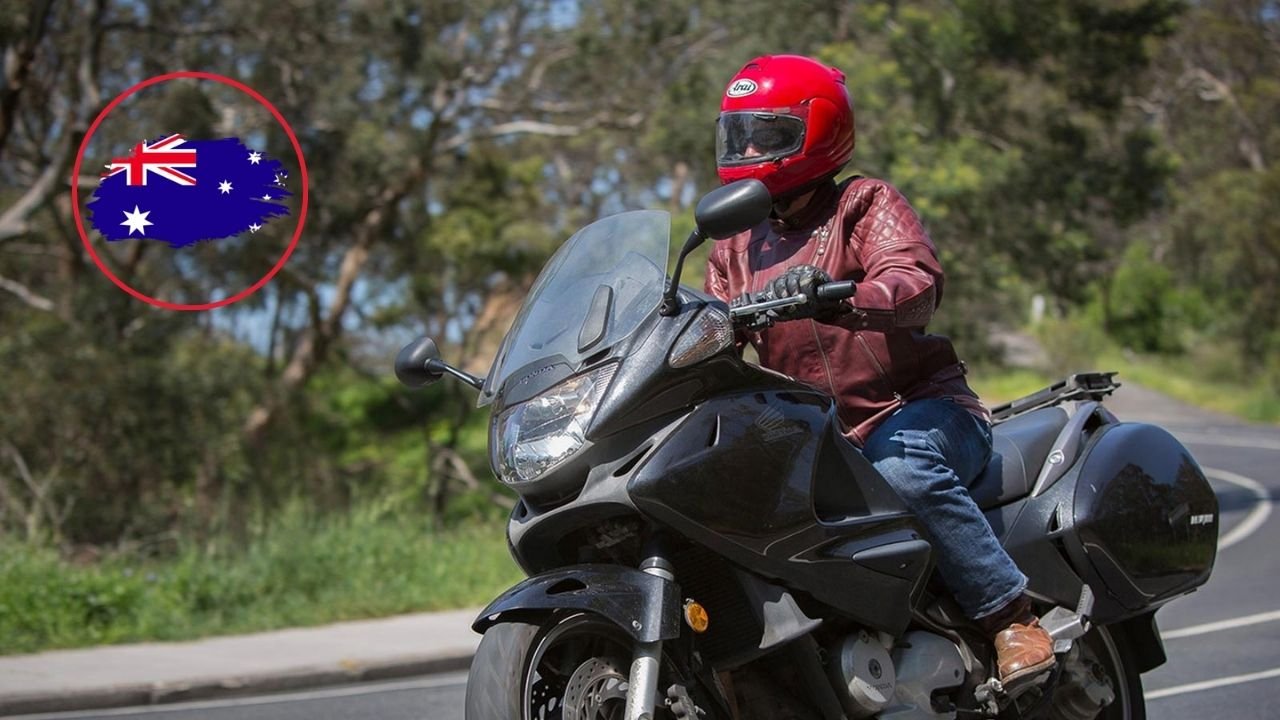
New South Wales has introduced a series of major road changes in 2026, bringing fresh safety requirements for motorcycle riders, new toll savings for motorists, and updated rules for temporary speed limits at roadworks. The reforms, which began on July 1, 2026, are designed to improve rider protection, reduce unnecessary travel delays, and provide financial relief for drivers facing increasing transport costs.
The changes affect millions of NSW road users, from learner motorcyclists to daily commuters using Sydney’s toll network. Here is a detailed look at the new rules and what they mean for motorists.
New Bike Gear Rules
The biggest safety update targets beginner motorcycle riders through changes to the Motorcycle Graduated Licensing Scheme.
Under the updated requirements, all learner, P1 and P2 motorcycle licence holders must now wear approved protective gloves whenever they ride. The rule aims to reduce hand injuries during crashes, as riders often instinctively use their hands to protect themselves during a fall.
Learner riders also face an additional visibility requirement. Anyone holding an L motorcycle licence must wear an approved high-visibility vest or jacket while riding. The measure is intended to make inexperienced riders easier for other road users to notice, particularly in busy traffic conditions.
Authorities believe improved protective equipment and greater visibility can help reduce serious injuries among newer riders who are still developing road skills.
Roadwork Speed Changes
Another major reform focuses on temporary speed limits around construction zones.
Previously, drivers often experienced reduced speed limits remaining in place even when road crews had finished work for the day or no workers were present. The new Traffic Control at Work Sites standard aims to create a more practical approach.
Under the updated system, temporary lower speed limits should only remain when they are necessary for safety. When construction activity has stopped and road conditions allow, speed limits can return to normal posted levels.
The change is designed to balance worker safety with smoother traffic movement. Officials say unnecessary speed restrictions can create frustration among motorists and increase congestion without providing additional safety benefits.
$50 Toll Cap
Cost-of-living pressures have been a major focus of the NSW Government’s transport reforms.
One of the biggest financial changes is the reduction of the Sydney weekly toll cap. The maximum weekly amount for eligible toll road users has dropped from $60 to $50.
The lower cap is expected to benefit frequent drivers who rely on Sydney’s motorway network for commuting, business travel, or family responsibilities. The measure is scheduled to remain in place until July 4, 2027.
For regular toll users, the reduction could provide meaningful annual savings, especially for those who previously reached the maximum weekly threshold.
Motorcycle Toll Discounts
Motorcyclists using Sydney toll roads will also receive a new pricing benefit.
A new motorcycle toll category has been introduced, allowing riders to pay half the standard car toll rate on eligible Sydney motorways.
The change recognizes that motorcycles take up less road space and generally create lower infrastructure impacts compared with larger vehicles. It is also aimed at encouraging more affordable transport choices across the city.
For riders who frequently travel on toll roads, the reduced rate could significantly lower commuting expenses.
Registration Savings
Vehicle owners will receive additional relief through registration discounts.
Eligible motorists will automatically receive reduced registration renewal costs between September 2026 and August 2027.
The discounts include:
- $100 reduction for eligible cars
- $80 reduction for eligible motorcycles
The government introduced the measure as part of broader efforts to reduce household expenses connected with vehicle ownership.
Toll Notice Changes
NSW has also changed how unpaid toll notices are managed.
Administrative fees linked to unpaid toll notices have been removed, reducing extra costs for drivers who miss payments or experience delays.
The system will also move toward faster communication through SMS and email reminders. The goal is to notify motorists earlier and help them avoid larger penalties caused by missed deadlines.
The reform is expected to make toll enforcement simpler while improving communication between operators and drivers.
Impact On Riders
For motorcycle riders, especially beginners, the 2026 changes bring stronger safety expectations.
Learner and provisional riders will need to update their riding habits by ensuring they carry approved protective gloves and comply with high-visibility clothing rules. While the requirements may add small costs initially, officials argue they provide important protection during the early stages of riding experience.
Experienced riders may also benefit from reduced toll charges if they regularly use Sydney motorway routes.
Impact On Drivers
For everyday motorists, the biggest advantages come through financial relief and improved road management.
Drivers who regularly pay tolls may save money through the reduced weekly cap, while vehicle owners can benefit from registration discounts. The updated roadwork speed rules may also lead to fewer unnecessary delays during journeys.
However, motorists must still remain alert because speed limits around active construction areas will continue to apply whenever workers and safety conditions require them.
The 2026 NSW traffic reforms represent a combination of safety improvements and cost-saving measures. Motorcycle riders face stricter protective equipment rules, while drivers receive new toll and registration benefits.
As these changes become part of everyday travel across NSW, understanding the updated requirements will help motorists avoid penalties, reduce expenses, and stay safer on the road. The reforms reflect a broader effort to create a transport system that is both more practical and responsive to the needs of road users.