
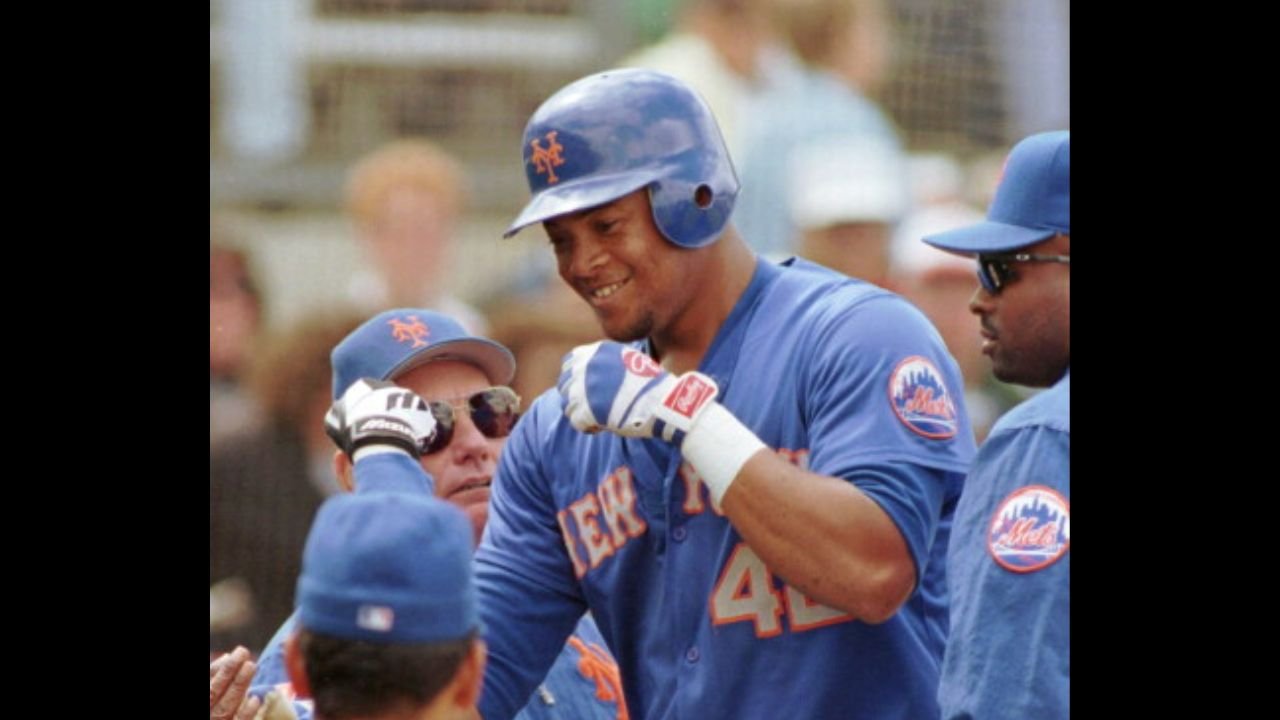
Former Major League Baseball player Butch Huskey, remembered by New York Mets fans for his powerful bat and distinctive place in baseball history, has died at 54.
Huskey died unexpectedly on August 14, 2026, in his hometown of Lawton, Oklahoma. His death was attributed to a pulmonary embolism, or blood clot in the lung, according to reports. He had reportedly experienced sudden breathing difficulties earlier that morning before his condition became fatal.
His death brought an immediate response from the Mets, the organization that drafted him and where he spent the most prominent part of his seven-year major league career.
Cause of Death
The reported cause of Huskey’s death was a pulmonary embolism.
A pulmonary embolism occurs when a blood clot, often originating in a deep vein elsewhere in the body, travels through the bloodstream and blocks an artery in the lungs. The condition can become life-threatening very quickly, particularly when the blockage is large.
Huskey was reportedly experiencing breathing problems before his death on Friday morning. He was 54.
His unexpected passing came as a shock to the baseball community, particularly because he remained closely connected to his Oklahoma hometown after his playing career ended.
Mets Pay Tribute
The New York Mets confirmed Huskey’s death and honored their former player before a game against the Washington Nationals.
Interim manager Andy Green led a pregame tribute and moment of silence in recognition of Huskey’s life and contributions to the organization.
For Mets supporters who remember the 1990s club, Huskey occupies a distinctive place in franchise history.
He was drafted by New York in the seventh round of the 1989 amateur draft and eventually developed into a major league power hitter.
His Best Season
Huskey’s most productive season came in 1997.
That year, he hit 24 home runs and recorded 81 RBIs, both career highs. His performance established him as one of the more dangerous bats in the Mets lineup during that period.
Although his major league career lasted seven seasons, his time in New York represented the largest portion of his MLB experience.
Huskey appeared in parts of five seasons with the Mets before continuing his career with several other organizations.
Seven MLB Seasons
After making his major league debut, Huskey played for five different franchises during his career.
In addition to the Mets, he suited up for the Seattle Mariners, Boston Red Sox, Minnesota Twins and Colorado Rockies.
His versatility allowed him to contribute at multiple positions, while his power remained one of his most recognizable strengths.
Across seven MLB seasons, Huskey established himself as a legitimate major league hitter and became particularly memorable to Mets fans because of his home-run production in the late 1990s.
The No. 42 Connection
One of the most unusual aspects of Huskey’s career involved his uniform number.
Huskey was the penultimate Mets player to regularly wear No. 42.
Major League Baseball retired Jackie Robinson’s No. 42 throughout the sport in 1997. Players who were already wearing the number were permitted to continue using it under a grandfather provision.
Huskey was one of those players.
That exception meant he continued wearing No. 42 with the Mets after the league-wide retirement, giving him a unique connection to one of the most important numbers in baseball history.
Jackie Robinson’s Legacy
No. 42 was retired across MLB in honor of Jackie Robinson, who broke the league’s color barrier with the Brooklyn Dodgers in 1947.
The number became permanently unavailable to new players after the 1997 retirement ceremony, with existing wearers allowed to continue until they left the game.
Huskey’s connection to the number therefore became a historical footnote in both Mets and MLB history.
He was not simply another player who wore No. 42. He belonged to the final group of major leaguers permitted to keep the number after its retirement.
Oklahoma Roots
Huskey was born and raised in Lawton, Oklahoma, and returned to his hometown after his professional baseball career.
His death therefore resonated beyond the Mets organization. The Lawton community also remembered a local athlete who had reached the highest level of American professional baseball.
For a player who spent years traveling around the country during his MLB career, remaining connected to his hometown gave his post-baseball life a strong Oklahoma connection.
Remembered by Baseball
News of Huskey’s death prompted tributes from the Mets and members of the broader baseball community.
His career may not have produced a Hall of Fame résumé, but his 24-home-run, 81-RBI season in 1997 remains a notable chapter in Mets history.
His connection to No. 42 adds another layer to his legacy.
He was also part of a generation of Mets players who helped shape the organization during the years before the club’s return to the World Series in 2000.
A Sudden Loss
Huskey’s death was particularly difficult because it happened unexpectedly.
He had experienced breathing difficulties that morning, and the pulmonary embolism ultimately claimed his life at just 54.
His passing serves as a reminder that pulmonary embolisms can develop suddenly and become serious with little warning.
For those who watched Huskey during his playing days, however, the focus is likely to remain on the baseball memories he left behind rather than the circumstances of his final hours.
Butch Huskey’s name will remain connected to several distinct parts of baseball history: his powerful 1997 season, his years with the New York Mets and his unusual status as one of the final players permitted to wear No. 42 after MLB retired it.
He died in Lawton, Oklahoma, on August 14, 2026, at age 54.
The confirmed reports identify a pulmonary embolism as the cause of death, ending the life of a former major leaguer whose career gave him a lasting place in Mets history.