
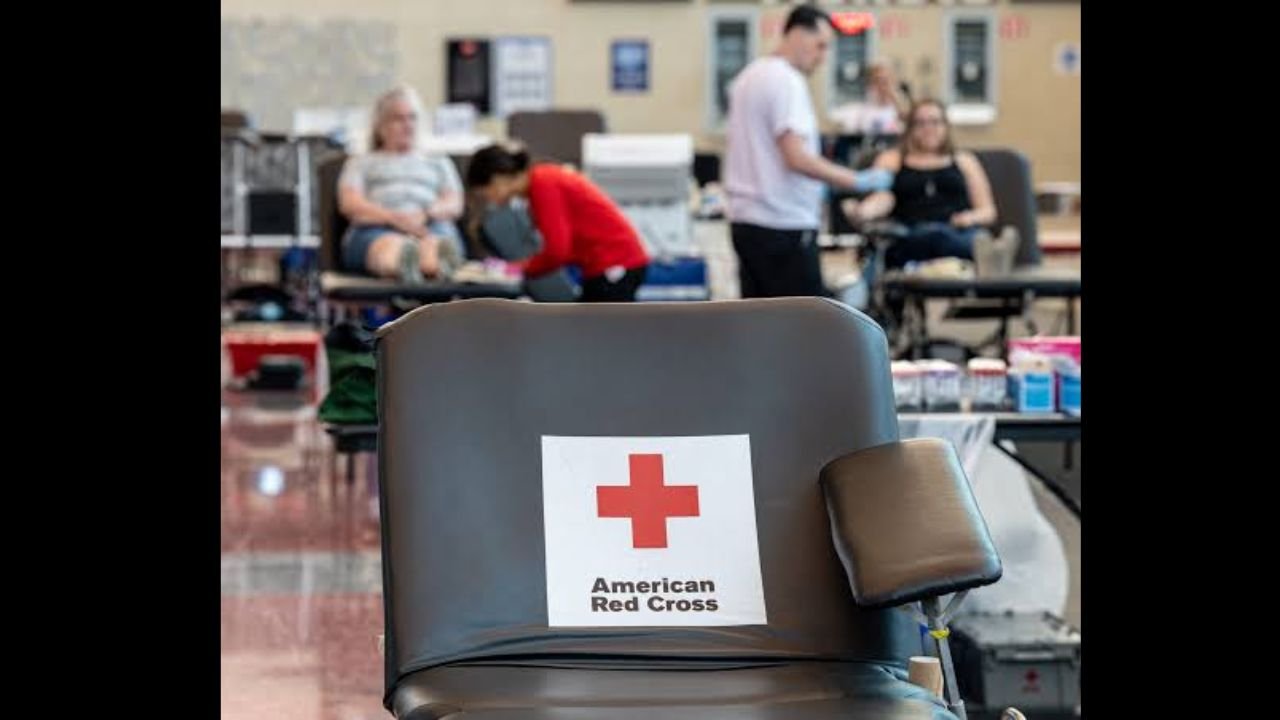
The American Red Cross has issued an urgent nationwide appeal after announcing a significant blood shortage across the United States. According to the organization, blood supplies declined by nearly 25% during June, creating growing pressure on hospitals that rely on a steady supply of donated blood for surgeries, emergencies, childbirth, and ongoing medical treatments.
The announcement, made on July 13, comes as healthcare providers experience increased demand during the busy summer months. Red Cross officials say immediate public participation is essential to help stabilize supplies and ensure patients continue receiving timely medical care.
The organization is encouraging eligible donors to schedule appointments as soon as possible.
Emergency Declared
The American Red Cross described the current situation as a nationwide blood shortage requiring immediate attention.
Officials explained that hospitals supplied by the organization are currently using approximately 3,500 more units of blood each week than originally expected.
As demand continues to outpace donations, maintaining adequate inventory has become increasingly difficult.
The organization warns that restoring the blood supply depends on a rapid increase in donor participation across the country.
Why It Matters
Blood donations play an essential role in modern healthcare.
Hospitals use donated blood every day to treat accident victims, patients undergoing major surgery, individuals receiving cancer treatment, mothers experiencing childbirth complications, and people living with blood disorders.
Unlike many medical supplies, blood cannot be manufactured. It must come from volunteer donors willing to give regularly throughout the year.
Because blood products also have limited shelf lives, maintaining a stable supply requires continuous community participation.
Summer Challenges
According to the Red Cross, summer consistently presents unique challenges for maintaining blood inventories.
The period between Memorial Day and Labor Day is commonly referred to as the summer trauma season, when emergency departments often experience increased demand related to travel, outdoor activities, and accidents.
At the same time, blood donations typically decline during summer vacations and school breaks.
This combination of higher demand and fewer donations creates added pressure on healthcare systems.
Donation Decline
Officials say one of the biggest concerns has been the noticeable drop in donations since late May.
The Red Cross attributes the decline to several factors, including:
- Busy summer schedules
- Temporary illnesses that prevent eligible donations
- Reduced school-based blood drives during vacation periods
Together, these factors have created a widening gap between available blood supplies and patient needs.
Without additional donors, that gap could continue growing throughout the summer.
Medical Impact
Healthcare professionals emphasize that blood availability directly affects patient care.
Dr. Courtney Lawrence, Division Chief Medical Officer for the American Red Cross, explained that hospitals depend on reliable blood supplies every day.
She noted that emergency rooms, operating rooms, and maternity units all require immediate access to blood products for critical medical situations.
When supplies become limited, healthcare providers may face difficult decisions about managing available inventory while continuing to treat patients safely.
Blood Types Needed
The Red Cross encourages donations from people with all blood types, emphasizing that every contribution helps strengthen the national blood supply.
However, officials say several blood types are currently experiencing especially high demand.
These include:
- O positive
- B negative
- AB plasma
Because different blood types serve different medical needs, maintaining balanced inventories across all groups remains essential.
Even individuals with less commonly requested blood types are encouraged to donate whenever eligible.
Donor Appreciation
To encourage participation during this critical period, the American Red Cross has announced a limited-time donor incentive.
Individuals who successfully donate blood through July 31 will receive a Fandango movie ticket voucher worth up to $15.
While the organization stresses that saving lives remains the primary motivation for donating, the promotion serves as an additional way to thank volunteers for supporting patients during the shortage.
The incentive applies while the campaign remains active.
How to Donate
Scheduling a blood donation is designed to be simple and convenient.
Eligible donors can locate nearby blood drives or donation centers by visiting the American Red Cross website or using its mobile app.
Appointments are recommended because they help collection centers manage donor flow and reduce waiting times.
Before donating, participants generally complete a health screening and eligibility questionnaire to ensure the safety of both donors and recipients.
The entire donation process typically takes less than an hour, with the actual blood collection lasting only a short time.
Community Role
Blood donation is one of the most direct ways individuals can support healthcare in their communities.
A single donation may help multiple patients because donated blood can often be separated into different components, including red blood cells, plasma, and platelets.
Regular donors play a particularly important role by helping maintain consistent inventories throughout the year rather than only during emergencies.
Healthcare organizations continue encouraging healthy, eligible adults to consider making blood donation a routine habit.
The American Red Cross hopes increased public participation will quickly improve national blood supplies before summer demand reaches its peak.
Officials continue monitoring inventory levels while working closely with hospitals to meet patient needs across the country.
Although seasonal shortages occur periodically, rapid community response has historically helped restore blood inventories when donors answer urgent appeals.
For individuals who are eligible to donate, scheduling an appointment now can make an immediate difference. Every donation contributes to lifesaving medical care, supporting accident victims, surgical patients, new mothers, and countless others who depend on a reliable blood supply. As hospitals continue caring for patients throughout the busy summer season, community generosity remains one of the most effective tools for helping ensure blood is available whenever and wherever it is needed.