
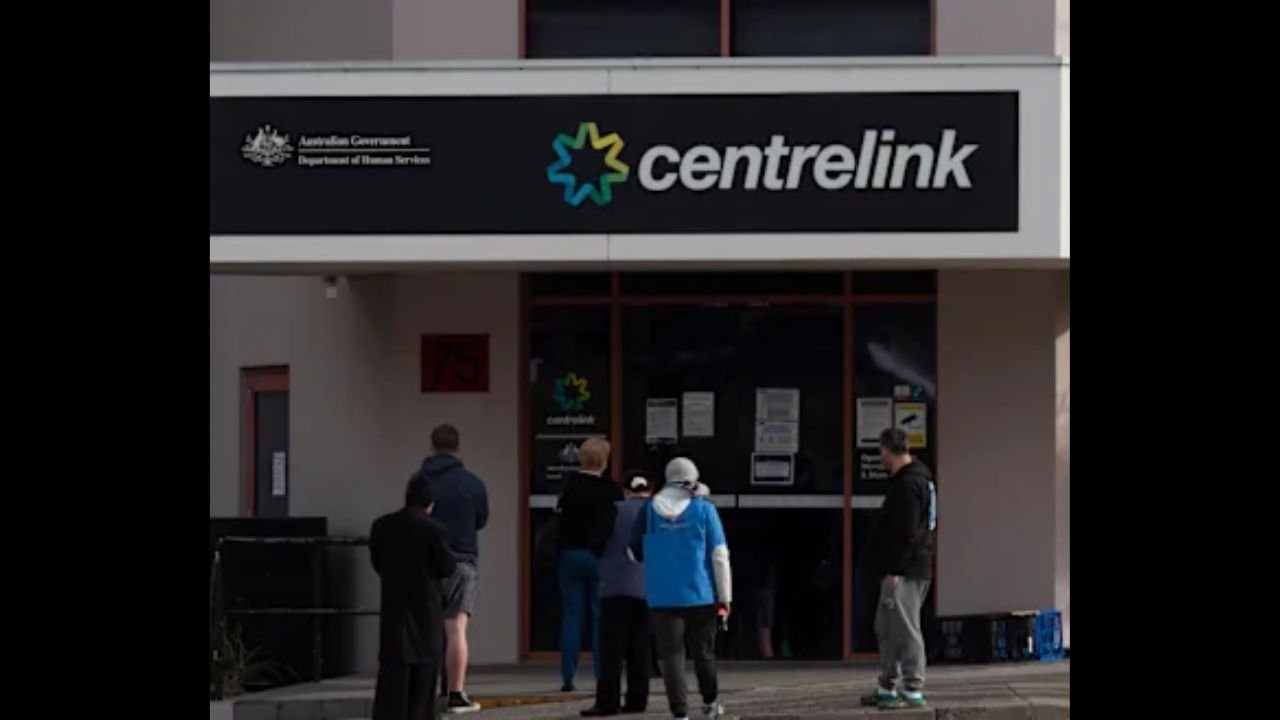
More than 5.3 million Australians are expected to benefit from the next major adjustment to federal social security payments, with higher rates scheduled to take effect from September 20, 2026.
The biannual indexation will increase a range of Centrelink payments, including the Age Pension, Disability Support Pension, Carer Payment, JobSeeker, Parenting Payment, Youth Allowance and Commonwealth Rent Assistance.
The package has an estimated value of $4 billion, providing additional support at a time when many households continue to face pressure from everyday expenses.
For pensioners, the September adjustment is particularly significant because it represents the largest indexation increase to the Age Pension since March 2023.
Pension Rates Rise
Age Pension recipients will see one of the largest increases.
From September 20, the maximum fortnightly payment for a single pensioner will rise by $36.80 to $1,237.70.
For a couple, the combined maximum rate will increase by $55.60 to $1,866.00 per fortnight.
The changes also flow through to payments linked to the pension rate, including the Disability Support Pension and Carer Payment.
That means eligible Australians receiving these payments will also see higher maximum rates once the new indexation takes effect.
The figures are maximum rates, however. Individual Centrelink payments can differ depending on income, assets and personal circumstances.
JobSeeker Increases
JobSeeker recipients will also receive higher maximum payments.
A single person without children will receive an increase of $16.20, taking the maximum fortnightly payment to $833.70.
For a single recipient with children, the maximum rises by $17.30 to $892.80.
The maximum rate for a partnered recipient will increase by $14.80 to $763 per fortnight.
The adjustment provides some additional assistance for people relying on income support while looking for employment or meeting other eligibility requirements.
Parents Get More
Parenting Payment is another major Centrelink payment affected by the September indexation.
For a single parent, the maximum fortnightly rate will increase by $20.90 to $1,087.20.
For partnered recipients, the maximum rate will rise by $14.80 to $763 per fortnight.
The increase could provide some extra breathing room for families managing food, energy, transport, education and housing costs.
As with other Centrelink payments, the maximum figure does not necessarily represent the amount every recipient will receive.
Rent Assistance
Renters receiving eligible Centrelink payments will also benefit from higher Commonwealth Rent Assistance limits.
Up to one million tenants are expected to see their maximum assistance increase.
For eligible singles, the maximum rate will rise by $4.40 to $223.80 per fortnight.
For couples, the maximum will increase by $4.20 to $211.00 per fortnight under the figures provided for the September adjustment.
The precise amount depends on household circumstances, including rental costs and family composition.
For people already spending a substantial portion of their income on rent, even a relatively small increase can help cover some of the additional cost.
Youth Allowance
Young Australians receiving Youth Allowance will also be affected by the September changes.
Maximum base rates and relevant thresholds are increasing, with some recipients seeing adjustments of up to $20.90.
The amount a person receives can depend on factors such as age, study or employment status, parental circumstances, personal income and assets.
ABSTUDY recipients will likewise see relevant rates and thresholds adjusted as part of the broader social security changes.
Deeming Rates Change
There is an important second change that pensioners with financial assets should watch.
The government is also increasing social security deeming rates, which Centrelink uses to assess income from certain financial investments and assets.
The lower deeming rate will be 1.75% for financial assets up to $66,800 for singles or $110,600 for couples combined.
Assets above those thresholds will be assessed under the higher 3.75% deeming rate.
The higher deeming rates could affect some part-pensioners and Australians whose Centrelink entitlement is determined partly through the income test.
As a result, the headline increase in pension rates does not necessarily mean every pensioner will be better off by exactly the advertised amount.
What Indexation Means
The September adjustment is part of Australia’s regular social security indexation system.
Rather than being a one-off payment or bonus, indexation changes the rates used to calculate eligible Centrelink payments.
The government uses the process to adjust payment levels and related thresholds in response to economic conditions and changes in living costs.
For millions of Australians, the practical effect will be an increase in their ordinary fortnightly Centrelink payment once the new rates come into force.
Check Your Circumstances
Australians should look beyond the headline figures when working out how much they could receive.
Centrelink payments can be affected by income, savings, investments, property, relationship status, dependent children and rental circumstances.
Pensioners with financial investments should pay particular attention to the new deeming rates, as these can influence the income test used to determine eligibility and payment levels.
Similarly, people receiving JobSeeker, Parenting Payment or Youth Allowance may have their payments adjusted if their personal circumstances change.
The September 20, 2026 indexation represents a substantial update across Australia’s social security system.
With more than 5.3 million people expected to be affected and around $4 billion flowing through the changes, pensioners and welfare recipients will be watching their upcoming payment statements closely.
The biggest increases are concentrated among pension recipients, while JobSeeker, Parenting Payment, rent assistance and youth-related payments will also receive adjustments.