
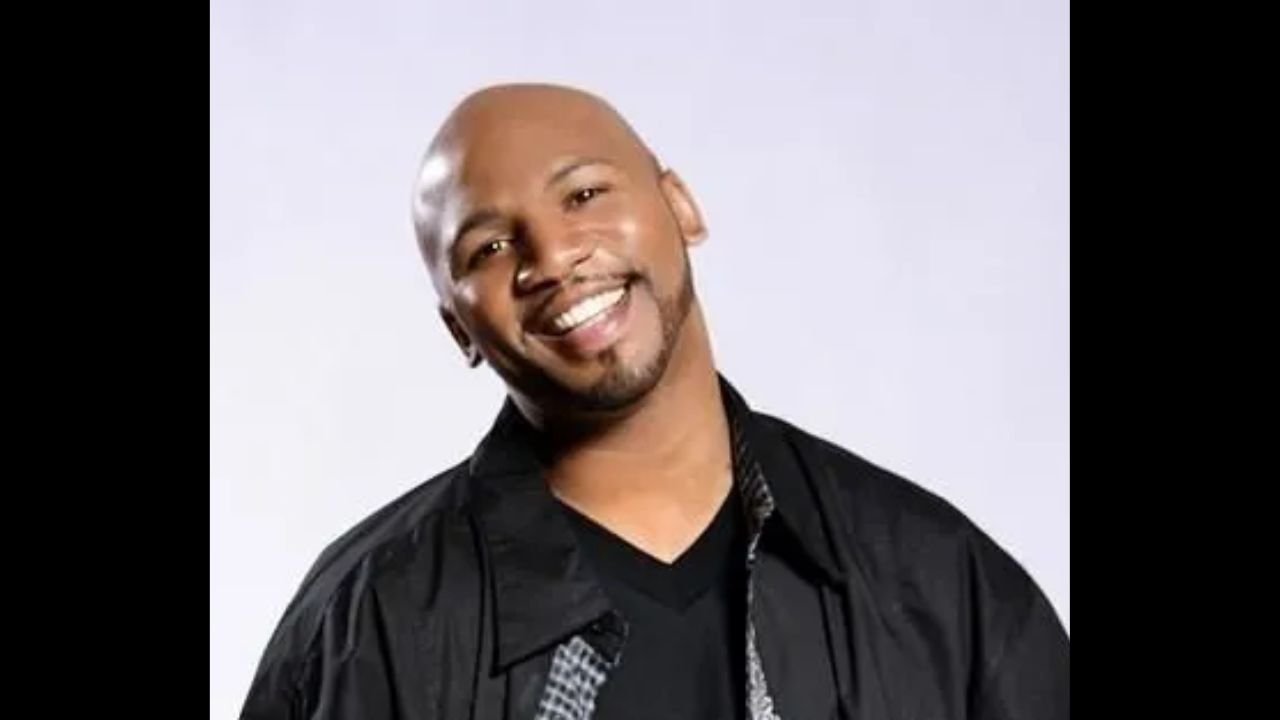
Samuel Monroe Jr. died at age 52 on August 26, 2026, following a prolonged battle with severe meningitis and serious complications that developed during his hospitalization, according to accounts from his family and partner.
The actor, remembered for his work in Menace II Society and several notable films from the 1990s, reportedly died Wednesday evening at a Los Angeles hospital. His mother, Joyce Patton, and partner, Shawna Stewart, confirmed his death.
Monroe’s final months had been marked by an exceptionally difficult medical crisis involving neurological complications, multiple surgeries and additional infections. His health situation had also become public as relatives disagreed over who should make decisions regarding his care.
His death closes a career remembered particularly by audiences who grew up watching the wave of Black American films that transformed cinema during the 1990s.
Cause of Death
The reported Samuel Monroe Jr. cause of death was connected to severe meningitis and the complications that followed his illness.
Meningitis involves inflammation of the protective membranes surrounding the brain and spinal cord. Different forms of the disease can have dramatically different causes and outcomes, so Monroe’s individual medical history should not be generalized to other patients.
According to reports about his condition, Monroe’s illness became severe enough to produce major neurological problems.
His family said his health ultimately deteriorated despite extensive hospital treatment.
Health Battle
Monroe’s medical problems reportedly began well before his final hospitalization.
Accounts from those close to him indicated that he initially became ill with meningitis roughly 18 months before his death, around the time he was working on a project in Las Vegas.
His condition later became considerably more serious.
By April 2026, Monroe reportedly required hospitalization as doctors confronted complications affecting his brain and spinal cord.
What followed was a months-long medical battle.
Brain Complications
Reports from Monroe’s family described serious swelling involving his brain.
He was also said to have developed enlarged ventricles associated with an abnormal accumulation of fluid, creating another potentially dangerous neurological complication.
Doctors reportedly performed three brain surgeries as they attempted to control the swelling and fluid buildup.
These procedures illustrate the seriousness of the medical situation Monroe was facing.
Public updates during his hospitalization described his condition as critical, with relatives and supporters asking for prayers as doctors continued treatment.
Additional Infection
Meningitis was not the only reported medical problem during Monroe’s hospitalization.
He also developed MRSA pneumonia, according to accounts shared about his condition.
MRSA refers to methicillin-resistant Staphylococcus aureus, a type of bacteria resistant to several commonly used antibiotics. When a serious infection occurs in someone who is already critically ill, treatment can become particularly complicated.
Monroe was also reported to have suffered a partially collapsed lung.
Together, the neurological and respiratory problems placed enormous strain on his body.
Final Months
Monroe reportedly experienced seizures and kidney-related complications as his condition worsened.
Updates from those close to him indicated that he became unresponsive and required intensive medical support.
He was reportedly placed in a medically induced coma during portions of his treatment and remained on life-support measures as doctors managed his complex condition.
The situation continued for months before his death on August 26.
His loved ones said he passed peacefully in Los Angeles.
Family Dispute
Monroe’s medical crisis also became the subject of a difficult family disagreement during his final weeks.
His mother, Joyce Patton, reportedly sought a legal conservatorship that would give her greater authority over matters involving her son’s medical care and finances.
Monroe’s partner, Shawna Stewart, opposed the effort.
Stewart reportedly maintained that she already held Monroe’s power of attorney and that he had previously expressed his desire for her to handle decisions concerning his care and quality of life.
Because these were competing claims made during an emotionally charged medical situation, they should be understood as part of a family legal dispute rather than simplified into conclusions about either side’s intentions.
His Children
Following Monroe’s death, attention shifted away from the disagreement and toward his family.
He was the father of three children: Kingston, Brooklynn and Michaela.
Those close to Monroe encouraged supporters to focus on his children and the grief facing his family rather than continuing arguments surrounding his final medical decisions.
The request reflected the painful circumstances of a death that arrived after months of uncertainty.
Early Hollywood Work
Monroe became recognizable to movie audiences during an important period in American cinema.
His memorable early film work included the 1993 crime drama Menace II Society.
Directed by the Hughes brothers, the film became one of the defining urban dramas of its decade, depicting violence, friendship and limited opportunity in South Central Los Angeles.
The movie developed an enduring cultural reputation and helped introduce audiences to several performers who became familiar faces in film and television.
Monroe became part of that legacy.
1990s Films
He subsequently appeared in a collection of movies that remain closely associated with 1990s Black cinema.
His credits included Tales from the Hood, the horror anthology that combined genre storytelling with social commentary.
He also appeared in Set It Off, the 1996 crime drama starring Jada Pinkett Smith, Queen Latifah, Vivica A. Fox and Kimberly Elise.
Another notable credit was The Players Club, Ice Cube’s 1998 directorial debut.
Monroe additionally appeared in the Wayans brothers comedy Don’t Be a Menace to South Central While Drinking Your Juice in the Hood, a parody of the urban-film genre that became a cult favorite.
Lasting Recognition
Monroe was not necessarily a conventional Hollywood leading man, but that does not diminish his place in an era remembered strongly by movie audiences.
Character actors frequently give films their texture.
Their performances populate neighborhoods, families and social circles that make fictional worlds feel convincing. Monroe’s appearances connected him with several productions that remained popular decades after their original theatrical runs.
News of his hospitalization and death consequently generated an emotional reaction among viewers who remembered seeing him throughout the 1990s.
Tributes
Following confirmation of his death, condolences circulated among fans, entertainment figures and people familiar with Monroe’s work.
Many tributes returned to Menace II Society, while others highlighted his broader collection of credits.
The response demonstrated how performers can retain a strong connection with audiences even when they have spent years outside the center of celebrity coverage.
For many viewers, Monroe’s face immediately recalled a particular period of filmmaking.
What We Know
For readers searching “Samuel Monroe Jr. cause of death,” the available accounts point to a prolonged medical crisis centered on severe meningitis and multiple secondary complications.
Monroe reportedly underwent three brain surgeries and faced brain swelling, seizures, respiratory infection, lung problems and other serious medical difficulties during his final hospitalization.
He died on August 26, 2026, at age 52 in Los Angeles, according to statements from those close to him.
His final months were difficult, but his public story extends well beyond his illness.
Samuel Monroe Jr. leaves behind three children and a body of work connected to some of the most recognizable Black films of the 1990s — movies that continue finding audiences more than three decades later.