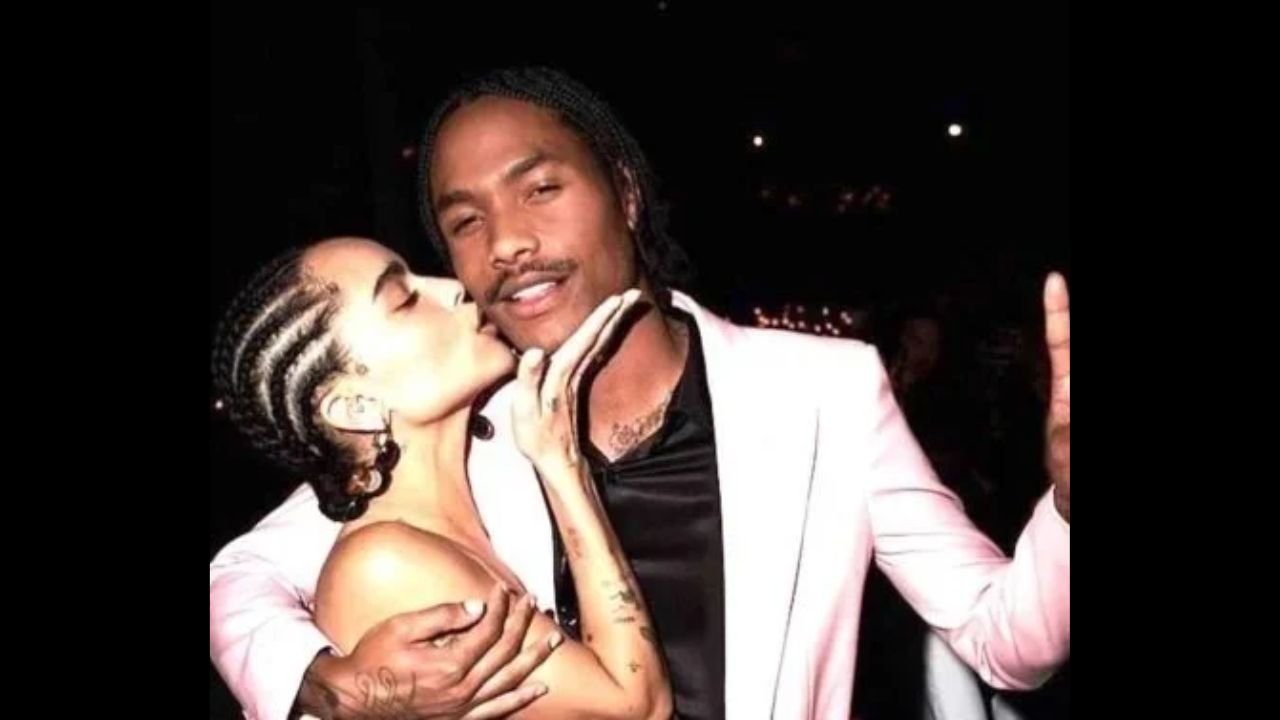
Yes, Steve Lacy is Filipino-American. The Grammy-winning musician was born and raised in Compton, California, and has a Filipino father and an African-American mother.
Although Lacy grew up primarily with his mother and did not have a strong connection to his father’s Filipino heritage during childhood, that part of his identity has become increasingly meaningful to him. His visit to the Philippines in August 2026 brought that connection into sharp focus when he met members of his father’s family for the first time.
The reunion happened during an important moment in Lacy’s career and carried an especially emotional significance because of the timing.
His Family Roots
Lacy was born Steve Thomas Lacy-Moya in Compton, California.
His mother, Valerie Lacy, is African-American, while his father was Filipino. That combination gives Lacy a multicultural background that has been part of his identity even though he did not grow up deeply immersed in Filipino culture.
His father died from lung cancer when Lacy was 10 years old.
Losing his father at such a young age meant that Lacy’s connection to his paternal family and Filipino heritage developed differently from that of someone raised within a Filipino household.
In interviews, Lacy has acknowledged that he did not have extensive exposure to Filipino culture while growing up.
Growing Up in Compton
Lacy’s childhood was shaped primarily by his life in Southern California.
He grew up with his mother and developed his musical identity in Compton, eventually becoming an accomplished guitarist, songwriter, producer and singer.
His upbringing was not centered around his father’s Filipino heritage, but the connection remained part of his family history.
That background became particularly important decades later when Lacy traveled to the Philippines and encountered relatives he had never previously met.
The Manila Reunion
In August 2026, Lacy visited the Philippines to perform at LaLaLa Fest in Manila.
The trip became much more than a concert appearance.
During his visit, Lacy met relatives from his father’s side of the family for the first time. Among those relatives were older sisters, known in Filipino culture as ates, and an older brother, or kuya.
For Lacy, meeting those relatives represented an opportunity to connect with a part of his family history that had remained distant for much of his childhood.
The emotional nature of the reunion was reflected in videos he later shared from the trip.
A Meaningful Date
The timing of Lacy’s Manila appearance made the experience even more emotional.
While speaking to concertgoers, he revealed that his first performance in the Philippines took place on the 18th anniversary of his father’s death.
That coincidence gave the trip a deeply personal dimension.
Rather than simply visiting the country connected to his father’s heritage, Lacy was doing so on a date directly connected to the loss that had shaped his childhood.
The Manila performance therefore became both a professional milestone and a personal homecoming.
Karaoke With Family
After connecting with his newly discovered relatives, Lacy shared moments of the reunion on social media.
One of the most memorable scenes involved Lacy spending time with family at a local karaoke bar.
Karaoke is deeply popular in the Philippines, making the gathering an especially fitting way for the musician to celebrate his family connection.
The informal setting also showed a side of Lacy that fans rarely see on a concert stage.
Instead of being surrounded by fellow musicians or industry figures, he was spending time with relatives and discovering a family connection that had been absent from his childhood.
His Filipino Identity
Lacy’s Filipino heritage does not mean that he was raised immersed in Filipino culture.
His identity reflects both sides of his family.
Because his father died when he was young, his relationship with Filipino culture developed differently from someone raised in a Filipino-American household with regular contact with extended family.
His 2026 trip demonstrated that heritage can remain meaningful even when cultural connections are not established during childhood.
Meeting relatives in adulthood gave Lacy an opportunity to explore that side of himself on his own terms.
From The Internet to Solo Fame
Lacy became known to music fans before his solo career took off.
He was a guitarist and producer for the alternative R&B group The Internet, working alongside musicians including Syd and Matt Martians.
His work with the band helped establish his reputation as a versatile musician and producer.
He subsequently developed a successful solo career, combining alternative R&B, funk, soul, rock and electronic influences.
Bad Habit
Lacy’s biggest mainstream breakthrough came with “Bad Habit.”
Released as part of his 2022 album Gemini Rights, the song became a global hit and introduced his distinctive sound to a much wider audience.
Its success helped transform Lacy from a respected musician within alternative R&B circles into a major solo artist.
The track eventually reached No. 1 on the Billboard Hot 100, cementing his place among the leading artists of his generation.
A Different Kind of Homecoming
Lacy’s Manila visit stands out because it connected several parts of his story.
He arrived as an internationally recognized musician performing for Filipino fans. At the same time, he was entering a country tied directly to his father’s heritage.
Then came the discovery of relatives he had never met.
The experience turned a concert trip into something far more personal.
For an artist who has often written about relationships, identity and emotional uncertainty, reconnecting with his father’s family offered a real-life moment of discovery.
So, is Steve Lacy Filipino? Yes, he is Filipino-American, with a Filipino father and African-American mother.
However, his relationship with his Filipino heritage is more complicated than a simple label. Lacy was raised primarily by his mother in Compton and lost his father to lung cancer when he was only 10.
For much of his childhood, he had limited contact with his Filipino roots.
That changed dramatically in August 2026, when he traveled to Manila for LaLaLa Fest and met relatives from his father’s side for the first time. His first Filipino performance also coincided with the 18th anniversary of his father’s death, making the occasion particularly poignant.
The family reunion, followed by karaoke with his newfound relatives, gave Lacy an opportunity to experience a piece of his heritage that had been largely missing from his upbringing.