
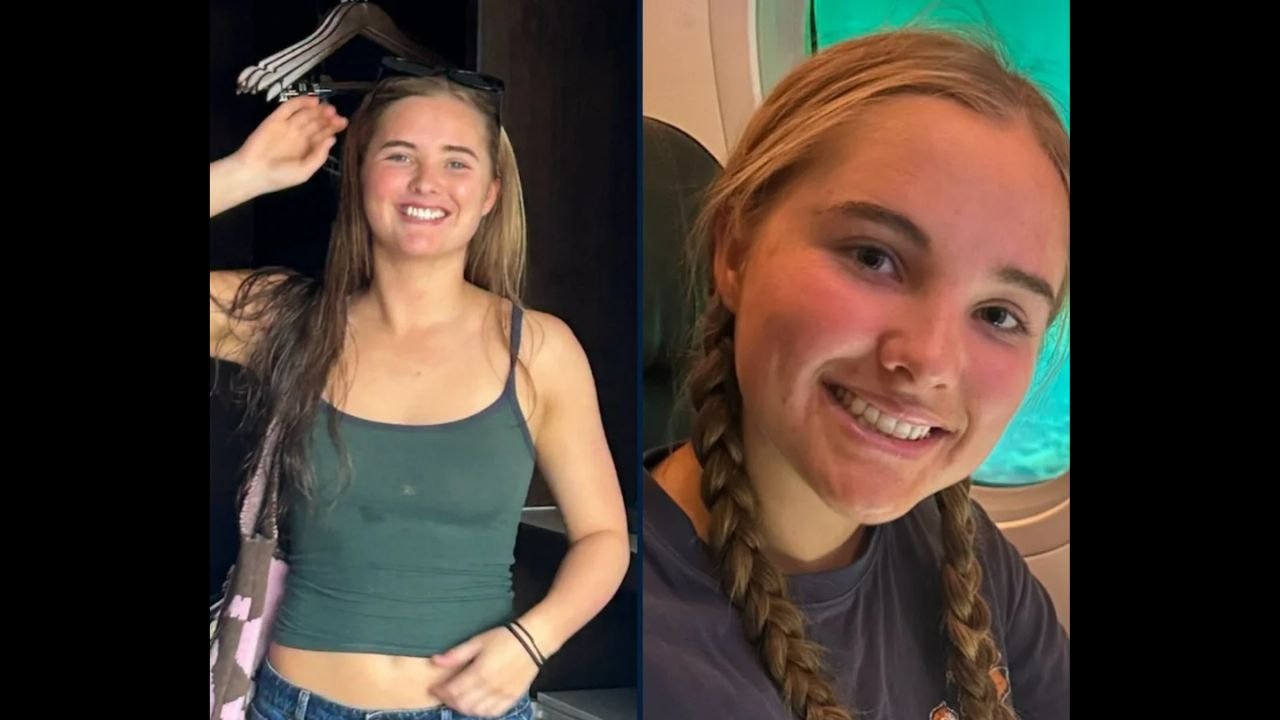
The cause of death of 18-year-old Lily Hooper has not yet been established, following the discovery of her body in a remote section of Nattai National Park in New South Wales.
Hooper, an experienced young bushwalker, had been missing for eight days after setting out along the difficult Bonnum Pic trail. Her disappearance triggered a large-scale search involving emergency services and specialist crews across some of the area’s most challenging terrain.
Her death will now be examined through a formal coronial process, with forensic findings expected to provide more information about what happened.
Cause Not Confirmed
At this stage, authorities have not publicly identified a definitive cause of death.
A full forensic examination is expected to examine Hooper’s injuries and other evidence recovered from the scene. A coroner will then consider the available evidence to establish how and when she died.
That means reports suggesting a particular accident or injury should be treated cautiously until investigators release confirmed findings.
The location where Hooper was found is itself significant because of the difficult conditions faced by search teams.
Eight-Day Search
Hooper disappeared after failing to return from a hike along the Bonnum Pic trail in Nattai National Park.
Concern grew when she did not return as expected, leading authorities to begin an extensive search operation.
Crews searched through remote bushland and difficult terrain for eight days. The operation involved emergency personnel working across an area where movement can be slow and visibility severely restricted.
Her experience as a bushwalker was also part of the circumstances surrounding the search. Despite her familiarity with outdoor environments, the landscape presented serious challenges.
Difficult Terrain
Nattai National Park contains rugged sections of bushland, including steep sandstone formations and dense vegetation.
Parts of the search area had also been affected by previous fires, leaving thick regrowth that made movement and visibility particularly difficult.
Search teams were therefore dealing with an environment where locating a missing person could be exceptionally demanding.
Weather added another concern.
Temperatures dropped sharply overnight during the period Hooper was missing, while strong winds also affected conditions in the area.
These factors are likely to form part of the broader investigation into the circumstances surrounding her death, although they should not be interpreted as an established cause of death.
The Radio Error
The discovery of Hooper’s body was followed by an extraordinary communication error.
When search crews located her on August 20, an incorrect message was transmitted through field radio communications.
The error resulted in officials initially believing that Hooper had been found alive.
That information was then communicated to her family and became part of an official announcement during a parliamentary hearing involving NSW Premier Chris Minns.
For a brief period, the family believed the eight-day search had ended with a rescue.
A Painful Correction
Approximately 10 minutes later, the information was corrected.
Search officials confirmed that Hooper had in fact been found deceased.
The reversal transformed what had initially appeared to be a moment of enormous relief into further heartbreak for her loved ones.
The mistake attracted significant attention because of the emotional consequences for the family, who had already spent more than a week waiting for news.
NSW Police Commissioner Mal Lanyon subsequently issued an unreserved apology to Hooper’s family over the communication failure.
What Happens Next?
The next stage will focus on determining the circumstances of Hooper’s death.
A forensic examination will help establish the injuries she sustained and provide investigators with evidence about the possible timeline.
The coroner will consider that material alongside information gathered from the search operation, the location where Hooper was found and any other relevant evidence.
Until those investigations are completed, there is no confirmed public explanation for how she died.
Why the Investigation Matters
Coronial investigations are particularly important when a person dies unexpectedly in circumstances that are not immediately clear.
In Hooper’s case, investigators must establish what happened during the eight days between her disappearance and the discovery of her body.
The remote location, challenging terrain and weather conditions all form part of the circumstances that investigators will need to examine.
A final determination may take time, particularly if additional forensic testing or evidence is required.
Remembering Lily
Hooper’s disappearance brought together emergency crews, police and search specialists in an intensive effort to locate her.
The eventual discovery brought an end to the search but left her family facing a devastating loss.
For those following the case, one of the most important facts remains that Lily Hooper’s official cause of death is currently unknown.
Her death has not been publicly attributed to a specific fall, exposure, medical event or other circumstance.
As of August 21, 2026, the confirmed picture is limited but clear: Lily Hooper was 18, she disappeared while hiking in Nattai National Park, and her body was found on August 20 after an eight-day search.
Authorities have not yet released a definitive cause of death.
A forensic examination and coronial investigation are expected to establish more details about her final hours and the circumstances that led to her death.