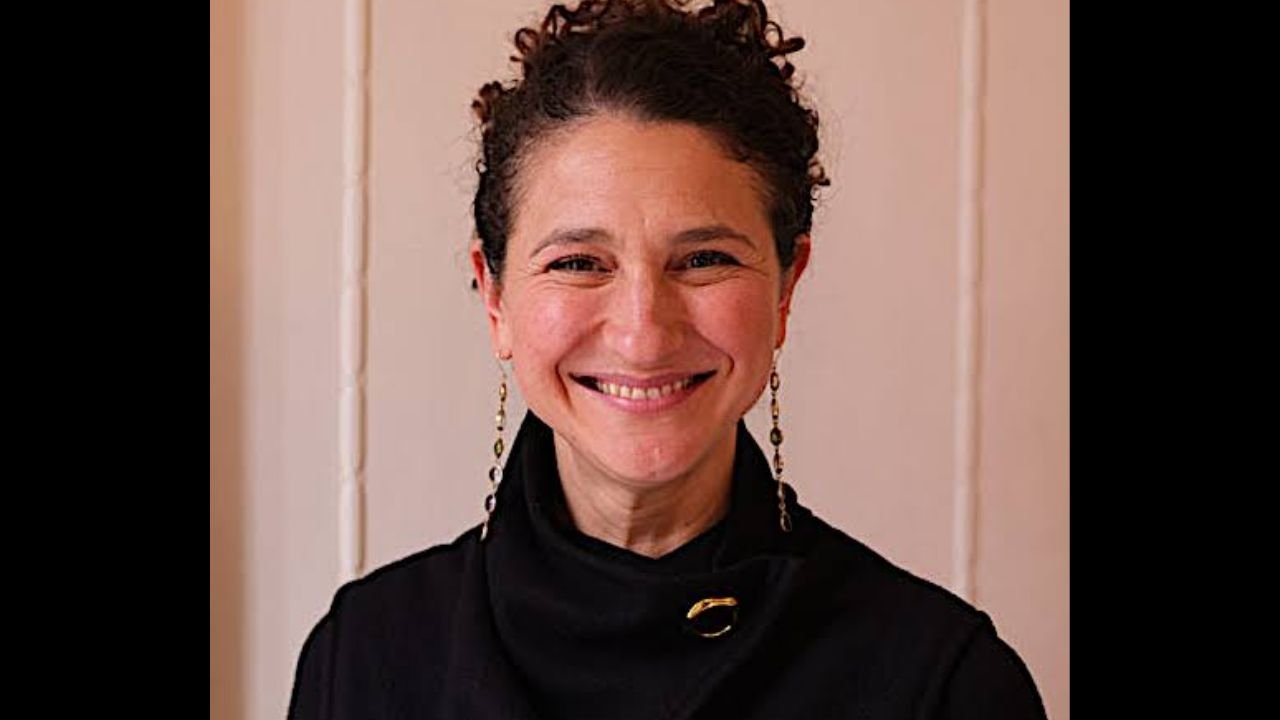
Shoshana Clark Stewart has built a career around an unusual combination of cultural preservation, international development and practical community work. As President and CEO of Turquoise Mountain, she leads an organisation that works to protect historic places, strengthen traditional crafts and create economic opportunities for artisans in areas affected by conflict and instability.
Her professional journey began far from the world of cultural heritage. With a degree in astrophysics, experience in education and an MBA from London Business School, Stewart followed a path that eventually took her to Afghanistan and into the leadership of an internationally recognised nonprofit organisation.
Early Career
Before entering the cultural-development field, Stewart worked in education.
Her experience included teaching and school administration in low-income communities in New York City, Boston and Honduras. Those roles gave her firsthand exposure to the challenges faced by communities with limited resources and helped shape the development-focused approach that later became central to her work.
Her transition into international development eventually brought her to Kabul, Afghanistan.
Turquoise Mountain
Stewart joined Turquoise Mountain in Kabul as an intern. The organisation had been established to help revive Afghanistan’s historic cultural heritage while creating opportunities for local craftspeople.
She gradually moved into positions of greater responsibility before becoming its chief executive and later president.
Her rise through the organisation is particularly notable because Turquoise Mountain’s work involves much more than restoring old buildings. Its projects combine heritage conservation with education, healthcare, artisan training and economic development.
Work In Kabul
During Stewart’s leadership, Turquoise Mountain undertook extensive restoration and redevelopment work in Kabul’s historic areas.
The organisation helped remove thousands of cubic metres of rubble from Old Kabul and restored more than 150 historic buildings. Its work also included establishing a primary health clinic and developing the Institute for Afghan Art and Architecture.
The approach connected physical restoration with the needs of people living in historic communities.
Rather than treating heritage as something separated from everyday life, Turquoise Mountain’s model has focused on using cultural preservation as a route toward employment, skills development and stronger local communities.
Going Global
Stewart also helped take the organisation’s work beyond Afghanistan.
Turquoise Mountain expanded into countries and regions including Myanmar, Saudi Arabia, Jordan and the wider Levant.
That international growth broadened the organisation’s mission. Its work has included supporting traditional crafts, restoring cultural sites and helping artisans develop sustainable livelihoods.
The expansion also demonstrated how a model developed in Afghanistan could be adapted to other places where cultural traditions face economic pressure, conflict or neglect.
Academic Background
Stewart’s educational background is unusual for a leader in the cultural heritage sector.
She graduated from Williams College in 2002 with a bachelor’s degree in astrophysics. Her university years also included a significant commitment to rowing. She captained the Williams women’s rowing team to three consecutive national championships.
Her scientific education gave her a strong analytical foundation, while her later professional experience took her into fields requiring diplomacy, management and community engagement.
She subsequently earned an MBA from London Business School, adding formal business and organisational training to her academic background.
Major Recognition
Stewart’s work eventually earned recognition from her alma mater.
In 2018, Williams College awarded her the Williams Bicentennial Medal. The honour recognised her contributions to cultural redevelopment and international development.
The award reflected the unusual breadth of her career: an astrophysics graduate who moved into education, international development and eventually the preservation of endangered cultural heritage.
Meeting Rory Stewart
Stewart’s professional and personal lives also became connected through Turquoise Mountain.
She is married to British author and former politician Rory Stewart. The pair met through their association with the organisation in Afghanistan and married in 2012.
Rory Stewart had been involved in establishing Turquoise Mountain with the then Prince of Wales, now King Charles III, and the organisation became an important part of both their professional stories.
The couple later built their family life in the United Kingdom.
Family Life
Shoshana and Rory Stewart have two sons.
One of the family’s most unusual stories concerns the birth of their first child in 2014. Shoshana went into unexpectedly rapid labour at home, leaving Rory to deliver their son on the bathroom floor before medical assistance arrived.
The story has since become one of the more memorable anecdotes associated with the couple’s family life.
Despite Rory’s public career as a writer, broadcaster and former parliamentarian, Shoshana has maintained her own distinct professional identity through her work with Turquoise Mountain.
A Different Kind of Leadership
Shoshana Clark Stewart’s career stands out because it crosses several very different fields.
She began with astrophysics, moved into education and then entered international development before becoming a leading figure in cultural heritage preservation. Her work has taken her from Kabul to projects across several countries, while her leadership has helped Turquoise Mountain combine conservation with economic and social development.
Her story also illustrates why cultural preservation can extend beyond museums and monuments. For Stewart and Turquoise Mountain, saving historic buildings and traditional crafts is closely connected to giving communities the skills and opportunities needed to sustain them.