Tawfique Nawaz, the husband of former Bangladeshi minister Dipu Moni, was a respected senior lawyer whose career extended across Bangladesh’s highest court, international legal education and several cultural interests. He died in Dhaka on August 18, 2026, aged 76, following long-standing liver and kidney complications.
His death came during a difficult period for his family. Dipu Moni, who was being detained in connection with cases arising from Bangladesh’s political unrest, was later granted temporary humanitarian parole so she could see her husband and take part in his funeral prayers.
Who Was Tawfique?
Tawfique Nawaz was a senior advocate of the Appellate Division of the Supreme Court of Bangladesh. He built his reputation as a lawyer over several decades and was known for his involvement in complex legal matters.
He was also associated with Juris Counsel, where he served as head of the law firm. His professional background included education at prestigious institutions in Britain, giving him an academic foundation that complemented his long legal career.
Outside courtroom work, however, Nawaz had interests that extended well beyond law.
Legal Career
Nawaz was regarded as an experienced member of Bangladesh’s senior legal community. His standing as an advocate of the Appellate Division placed him among the country’s most accomplished lawyers.
Through Juris Counsel, he was involved in legal practice while also contributing to professional and civic institutions.
His career was not limited to private legal work. He also served on the Board of Trustees of Transparency International Bangladesh, an organization known for its work on transparency, accountability and corruption-related issues.
That association reflected another side of his professional life: an interest in public institutions and governance beyond the courtroom.
Oxbridge Education
Nawaz was educated in Britain, including at Oxford and Cambridge, according to biographical accounts of his career.
His Oxbridge background was an important part of his professional profile and helped distinguish him within Bangladesh’s legal community.
His education, legal experience and involvement with civic institutions combined to create a career that crossed professional and public-interest spheres.
A Creative Side
Although Tawfique Nawaz was best known professionally as a lawyer, law was not his only field of interest.
He was also described as a classical flautist, English-language poet and historian. Those pursuits revealed a more artistic and scholarly side of his personality.
His interest in classical music was particularly notable. Playing the flute provided a creative outlet alongside a demanding legal career, while his writing and historical interests reflected a broader engagement with culture and intellectual life.
For people who knew him primarily as an advocate, these interests offered another perspective on his personality.
Marriage to Dipu Moni
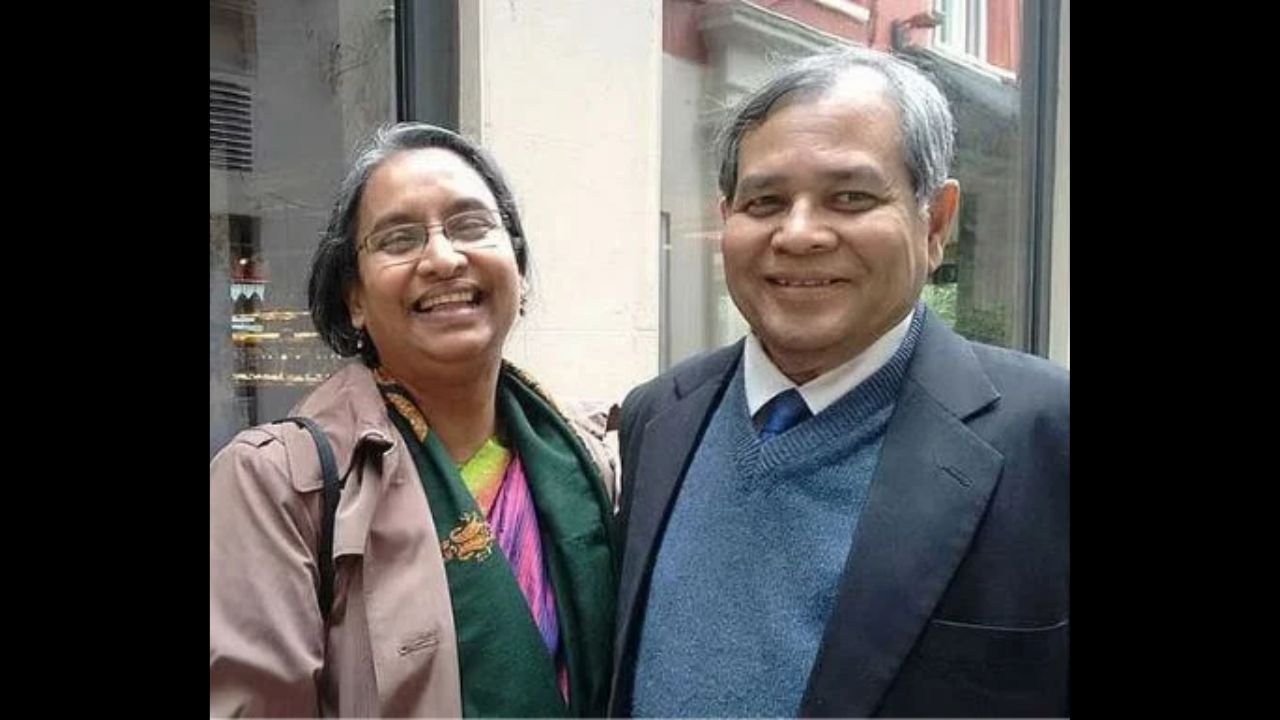
Tawfique Nawaz was married to Dipu Moni, a prominent Bangladeshi politician who served in several senior government roles.
Their marriage brought together two highly accomplished professional lives. While Moni became known nationally through politics and public service, Nawaz established his own reputation in law.
The couple had two children, Tawquir Rashaad Nawaz and Tani Deepavali Nawaz.
Despite their public profiles, the family generally maintained a distinction between their professional responsibilities and private life.
His Final Illness
Nawaz had been dealing with long-standing liver and kidney complications before his death.
His health had deteriorated in the period preceding August 2026, and his condition eventually became critical.
He died in Dhaka on August 18 at the age of 76. Reports said his death followed complications involving his liver and kidneys, bringing an end to a legal and cultural career that had spanned decades.
Dipu Moni’s Parole
Nawaz’s death also led to an unusual and emotional development involving his wife.
At the time of his death, Dipu Moni was in detention in connection with cases linked to the political unrest in Bangladesh. Following his passing, authorities granted her a 12-hour humanitarian parole on August 20.
The temporary release allowed her to leave custody under guard and travel to the family home in Kalabagan, Dhaka. She was able to see her husband’s body and attend his funeral prayers.
The decision was made on humanitarian grounds and allowed the family to observe the customary mourning and funeral rituals.
Family Farewell
For Nawaz’s children and extended family, his death marked the loss of a father as well as a prominent professional figure.
His two children, Tawquir Rashaad Nawaz and Tani Deepavali Nawaz, were part of a family that had lived largely outside the conventional celebrity spotlight despite their parents’ public careers.
His final farewell therefore carried both personal and public significance, particularly because of the circumstances surrounding Dipu Moni’s temporary release.
A Lasting Legacy
Tawfique Nawaz leaves behind a legacy that extends beyond his work as a senior advocate.
His legal career placed him among Bangladesh’s most experienced lawyers, while his involvement with Transparency International Bangladesh demonstrated an interest in wider questions of accountability and public life.
At the same time, his work as a flautist, poet and historian showed that his interests were not confined to law.
His life brought together legal scholarship, professional service and cultural pursuits. His marriage to Dipu Moni also connected him to one of Bangladesh’s best-known political families, although his own career remained substantial in its own right.
Tawfique Nawaz died at 76 after years of professional service and a long battle with serious health complications.
For Bangladesh’s legal community, he is remembered as a senior advocate with an extensive career. For his family, he was a husband and father whose final days were marked by illness and an emotional farewell.
His death on August 18, 2026, and the subsequent humanitarian parole granted to Dipu Moni brought renewed public attention to his life. Yet beyond the political circumstances surrounding his passing, Nawaz’s own story remains that of a distinguished lawyer with deep interests in music, poetry and history.
His professional achievements and cultural pursuits together form the legacy he leaves behind.