
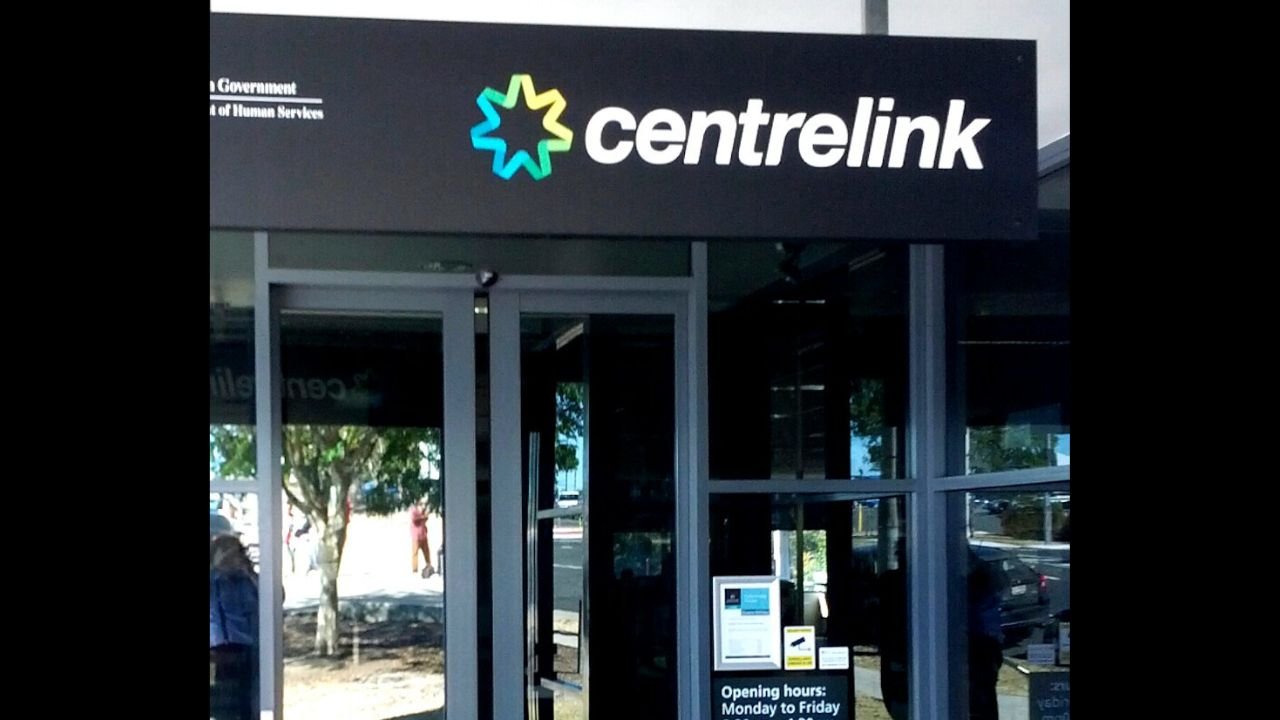
A 75-year-old Sydney pensioner has been spared a Centrelink debt of more than $21,000 after Services Australia acknowledged that the amount had been raised because of an administrative mistake.
The case has highlighted the serious consequences an incorrect Centrelink assessment can have for older Australians, particularly those relying on the Age Pension and living on a fixed income.
The pensioner, who has not been publicly identified, was initially told she owed $21,428. The figure was later reduced to $18,876 following a review, before the entire debt was ultimately cancelled.
Services Australia general manager Hank Jongen apologised to the woman and acknowledged that the debt had been raised in error.
A Debt That Changed
The dispute began when the pensioner received a Centrelink notice demanding repayment of more than $21,000.
She said she had consistently provided information about her circumstances, including financial records and other documents requested by Centrelink.
The debt was particularly alarming because she was reportedly given less than a month to deal with the original amount.
After challenging the decision, the alleged debt was recalculated to $18,876. That substantial change raised further questions about how the original figure had been calculated.
The pensioner continued to dispute the assessment rather than accepting the revised amount.
Where The Error Began
The circumstances surrounding the calculation appear to have involved confusion about the woman’s living arrangements.
According to reporting on the case, Centrelink had apparently treated her circumstances as though she had moved into her daughter’s home. The pensioner disputed that interpretation and maintained that she had provided the agency with the relevant information.
Living arrangements can affect the way a person’s Age Pension is assessed. Income, assets and family or household circumstances can all influence payment rates.
When incorrect information remains attached to a person’s record, the consequences can potentially accumulate over time.
In this case, Services Australia said the debt had been incorrectly raised and eventually withdrew it altogether.
Review Changed The Outcome
The pensioner’s experience also demonstrates why challenging a disputed Centrelink decision can matter.
She sought an internal review rather than simply accepting the debt. The case also attracted media attention, after which Services Australia reassessed the circumstances.
The final reversal meant she did not have to repay the tens of thousands of dollars originally demanded.
The Administrative Review Tribunal says Centrelink debt decisions can be challenged when a person believes they do not owe the money or disagrees with the amount. However, a Centrelink decision generally needs to go through an Authorised Review Officer before the Tribunal can consider it.
A Wider Concern
The case has prompted renewed discussion about the difficulties pensioners can face when government payment records contain mistakes.
Services Australia reportedly raised 287,566 debts against Age Pension recipients between the 2021–22 and 2025–26 financial years. That figure does not mean all of those debts were incorrect, but it illustrates the scale of debt administration affecting older Australians.
The controversy has also brought back memories of Robodebt, the unlawful welfare debt recovery scheme that affected hundreds of thousands of Australians.
There is an important distinction, however: an individual Centrelink debt does not automatically indicate wrongdoing by the agency or the recipient. Each case depends on the circumstances and the evidence available.
What Pensioners Can Do
Anyone who receives a Centrelink debt notice and believes it is wrong should carefully check the information behind the calculation.
Documents such as payslips, income statements, tax records, bank statements and evidence relating to assets or living arrangements can be useful when disputing an assessment. The Administrative Review Tribunal specifically identifies these types of documents as relevant evidence in Centrelink debt reviews.
A person can ask Centrelink to review the decision and provide evidence explaining why the debt is disputed.
If the internal review does not resolve the matter, the Administrative Review Tribunal may be able to conduct a further review. The Tribunal confirms that it can consider whether a debt exists, whether the amount is correct and, in some circumstances, whether all or part of the debt should be repaid.
Don’t Ignore The Letter
A debt notice can be intimidating, especially when the amount is large. But receiving one does not necessarily mean the calculation is beyond challenge.
The safest approach is to examine the dates, income figures, assets and personal circumstances used to calculate the debt. Keeping copies of documents previously supplied to Centrelink can also make it easier to identify discrepancies.
The pensioner’s case is a powerful example of why that process matters. A debt that began at $21,428 was reduced to $18,876 and eventually cancelled after Services Australia accepted that an error had occurred.
What Changed In 2026
Centrelink debt rules have also changed in 2026. Services Australia says debts under $250 arising from decisions made from March 20, 2026, are now automatically waived, with the threshold indexed annually. The agency has also expanded the circumstances in which special-circumstances waivers can be used.
Those changes do not mean large debts are automatically cancelled. They do, however, reinforce the importance of understanding the review and waiver options available.
For the Sydney pensioner, the outcome was ultimately straightforward: the $21,428 demand disappeared.
For other older Australians facing an unexpected Centrelink debt, her experience carries a clear lesson — check the calculation, preserve the paperwork and seek a review when the figures or circumstances do not appear right.