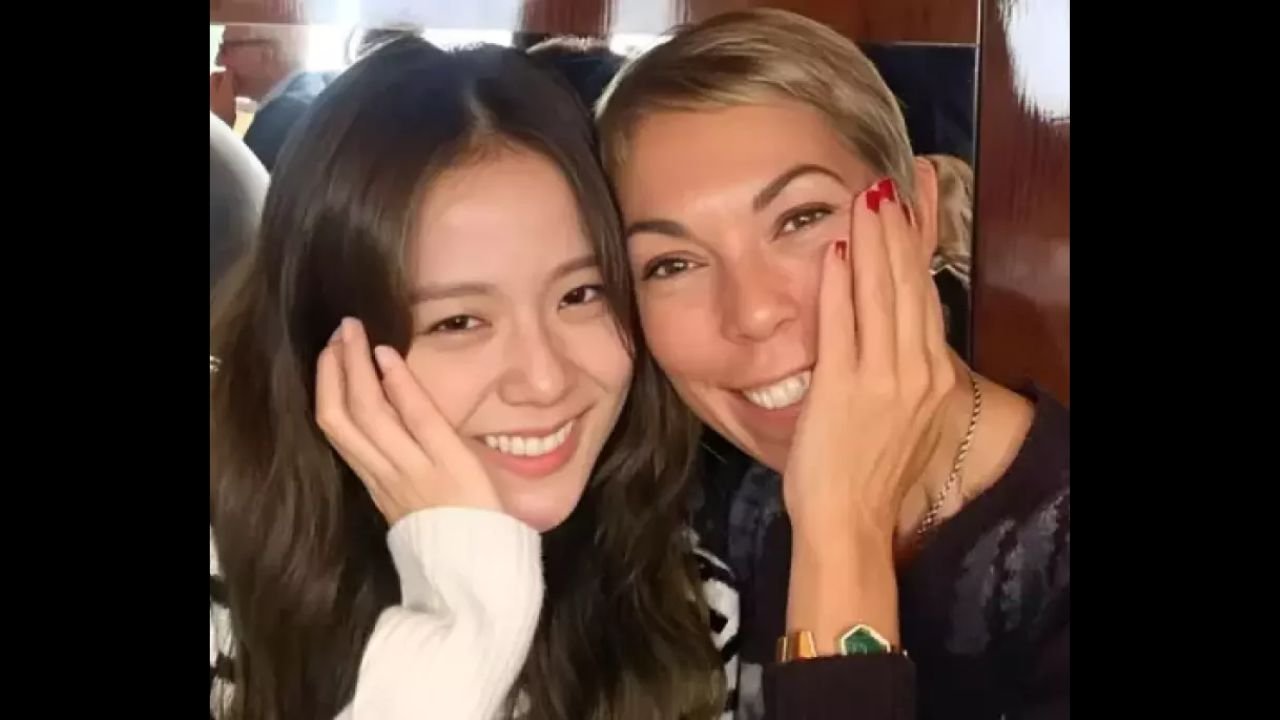
Mathilde Favier, the longtime Dior public relations executive whose career placed her at the center of Parisian fashion, was also the mother of two children, Héloïse and Carlo Agostinelli. She shared both with her first husband, financier Robert Agostinelli.
Favier died on August 17, 2026, at the age of 57, in a car crash in western France alongside her longtime partner, French film producer Nicolas Altmayer. Her death brought an outpouring of grief from the fashion world and renewed attention on the family she leaves behind.
Her children have followed markedly different paths. Héloïse has built a public profile around fashion, media and social life, while Carlo pursued competitive football and philanthropic work.
Héloïse Agostinelli
Héloïse Agostinelli is Favier’s daughter and has grown into a familiar face in European fashion and society circles.
Born around 1999, she has divided her time between London and Paris and has appeared in the British reality series Made in Chelsea. Her public profile has also been closely connected with the fashion industry, an environment she knew from childhood through her mother’s work.
Héloïse has regularly attended Paris Fashion Week events and has appeared at major fashion gatherings alongside her mother. Her presence at couture shows reflects the family’s longstanding connection with the luxury industry.
That connection goes beyond her mother’s position at Dior. Favier came from a family deeply intertwined with French fashion, meaning Héloïse grew up surrounded by designers, editors, artists and other influential figures.
Carlo Agostinelli
Carlo Agostinelli took a different route from his sister.
Born around 2001, Carlo developed a serious career in football before turning his attention to wider philanthropic interests. He attended Harrow School in London and later played NCAA Division I soccer at Stanford University as a midfielder. Stanford’s official athletics records list him as part of the university’s men’s soccer program.
His sporting background eventually became connected to charitable work. Carlo founded The Eleven Foundation, an initiative that uses football to help children from disadvantaged communities.
His profile has also attracted attention because of his relationship with British tennis star Emma Raducanu. That connection has brought additional media interest to a young man whose professional ambitions extend beyond sport.
A Family In Fashion
Although Héloïse and Carlo chose different professional directions, both grew up within an unusually influential Parisian family.
Their mother spent decades cultivating relationships across fashion and luxury. Favier joined Dior’s world at a senior level and became one of the company’s best-known public-facing executives.
Her family connections were equally notable. Her half-sister, Victoire de Castellane, is Dior’s creative director for fine jewelry, while their uncle Gilles Dufour worked closely with Karl Lagerfeld at Chanel and Balmain.
The fashion industry therefore wasn’t simply a workplace for Favier. It was part of the cultural environment in which her children were raised.
Her Final Years
Favier remained an important figure at Dior until her death.
Her career was marked by an ability to connect designers, celebrities, journalists and influential clients, making her a familiar presence at major fashion events. Dior executives and creative figures publicly remembered her following the fatal accident.
Delphine Arnault described Favier as an exceptional professional and loyal friend, while Dior creative director Jonathan Anderson paid tribute to her warmth, energy and connection to couture.
Those tributes also highlighted how much of Favier’s professional identity was rooted in personal relationships.
Carlo’s Tribute
Carlo publicly mourned his mother following her death.
In a social-media message shared after the accident, he expressed his shock and grief, describing the loss as something that was difficult to comprehend.
The emotional tribute offered a glimpse into the private family behind Favier’s highly visible professional life.
Her children had spent much of their lives accustomed to seeing their mother associated with some of the world’s most prestigious fashion events. Her sudden death therefore represented not only the loss of a major figure in Dior’s communications world but also a profound personal tragedy for Héloïse and Carlo.
Favier’s legacy is likely to be remembered through several different worlds: Dior, Parisian society, fashion communications and her family.
For Héloïse, the connection to fashion remains particularly visible. Carlo, meanwhile, has established an identity through football and charitable work.
Their contrasting careers underline the breadth of the environment in which they were raised. Favier occupied a rare position between luxury fashion, culture and high society, but her children have developed identities of their own.