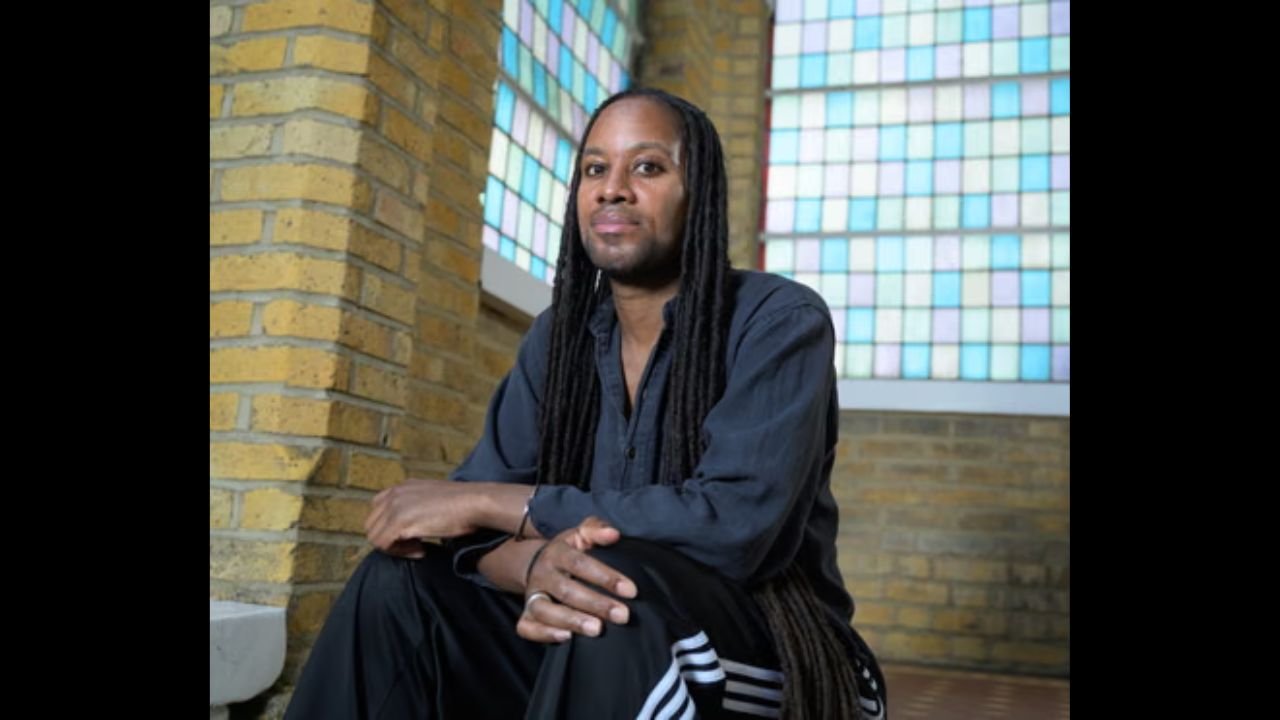
The death of Jason Arday, the academic who made history at the University of Cambridge, has shocked colleagues, students and members of the wider education community. Arday died on August 14, 2026, at the age of 41, only days after stepping down from his Cambridge position following a period of intense public scrutiny.
The circumstances of his death remain under investigation. An official medical cause of death has not been announced. Police have described the death as unexpected but have said it is not being treated as suspicious.
That means any claims about a specific cause should be treated cautiously until information from the coroner becomes available.
Sudden Death
Arday was found unresponsive at his home on Daley Thompson Way in Battersea, South London, on August 14.
The Metropolitan Police attended the property after concerns were raised about him. He was subsequently pronounced dead.
Authorities have not publicly identified a medical condition or other specific explanation for his death. A file is being prepared for the coroner, who will consider the circumstances surrounding the death and determine whether further investigation is required.
The police decision not to treat the death as suspicious means there is currently no indication of criminal circumstances.
Cambridge History
Arday became a nationally recognized figure in British academia after joining Cambridge.
In 2023, he made history as the youngest-ever Black professor appointed by the university. He became Professor of Sociology of Education, building a career around questions of education, inequality, race and social policy.
His appointment was regarded as a significant milestone for representation within one of Britain’s most prestigious universities.
His academic journey was particularly notable because of challenges he had discussed from his childhood, including developmental difficulties that affected his early education.
Early Challenges
Arday’s route into academia was far from conventional.
He had previously spoken about experiencing global developmental delay and dyslexia when he was younger. His early educational experiences were considerably different from those of many academics who eventually reach senior university positions.
Over time, however, he progressed through higher education and developed an academic career focused on social inequality.
His story was often presented as an example of how educational barriers do not necessarily determine a person’s eventual achievements.
By the time he reached Cambridge, he had become an established scholar and public voice on issues affecting education and underrepresented communities.
Final Cambridge Days
Arday resigned from his Cambridge position on August 5, 2026.
His departure came during a period of intense scrutiny involving allegations about his doctoral thesis and aspects of his professional background.
Reports had raised accusations of plagiarism concerning portions of his PhD work. Arday strongly disputed the allegations and rejected the suggestion that he had deliberately plagiarized material.
He acknowledged errors but maintained that the broader accusations and public discussion surrounding his career had been unfair.
His resignation came just nine days before his death.
The Pressure
In his final statement surrounding his resignation, Arday spoke openly about the effect of the controversy on him.
He described the continuing accusations, speculation and public commentary as becoming increasingly difficult to manage. His comments indicated that the pressure had reached a level he felt he could no longer endure.
Those remarks have attracted renewed attention since his death.
However, they should not be interpreted as establishing a cause of death. No authority has stated that the controversy caused his death, and the medical circumstances remain a matter for the coroner.
Family Speaks
Arday’s family has expressed profound shock following his death.
In a statement, relatives described him as a gentle person who wanted to see the best in other people. They also spoke about what they viewed as an intense campaign of misinformation surrounding him.
The family’s comments have added a deeply personal dimension to the story.
At the same time, their statement represents the family’s perspective on the pressure Arday experienced. It does not establish the medical reason for his death.
Public Reaction
News of Arday’s death has prompted tributes from across academia and public life.
His appointment at Cambridge had already made him a significant figure in discussions about diversity and representation in higher education.
For supporters, his career represented an important breakthrough. His academic work also addressed issues that remain central to debates about educational opportunity and inequality.
The circumstances surrounding his final weeks have inevitably become part of the conversation, but many tributes have also emphasized his wider contribution as a scholar and educator.
Plagiarism Claims
The allegations surrounding Arday’s PhD remain an important part of the recent timeline but should be distinguished from confirmed facts about his death.
Reports questioned whether portions of his doctoral thesis contained unattributed material. Arday disputed the accusations and maintained that he had not intentionally engaged in plagiarism.
The controversy also prompted broader questions about academic oversight and the processes used by institutions when evaluating credentials and research.
Those questions are separate from the investigation into Arday’s death.
What Happens Now?
The next significant development is likely to come through the coroner’s process.
Until an official finding is released, there is no confirmed medical explanation for why Arday died at 41.
The Metropolitan Police have said the death was unexpected and is not being treated as suspicious. That remains the clearest official information available about the circumstances.
Any social media post or report claiming a definitive cause before the coroner provides further information should therefore be viewed with caution.
Jason Arday’s career extended well beyond the controversy that dominated the final days of his life.
He became a professor at Cambridge at a remarkably young age, broke a significant barrier as the university’s youngest Black professor and built his academic work around education and inequality.
His journey from childhood developmental challenges to one of Britain’s most prestigious universities was a defining part of his story.
The circumstances of his death remain unresolved, but his academic legacy is already established.