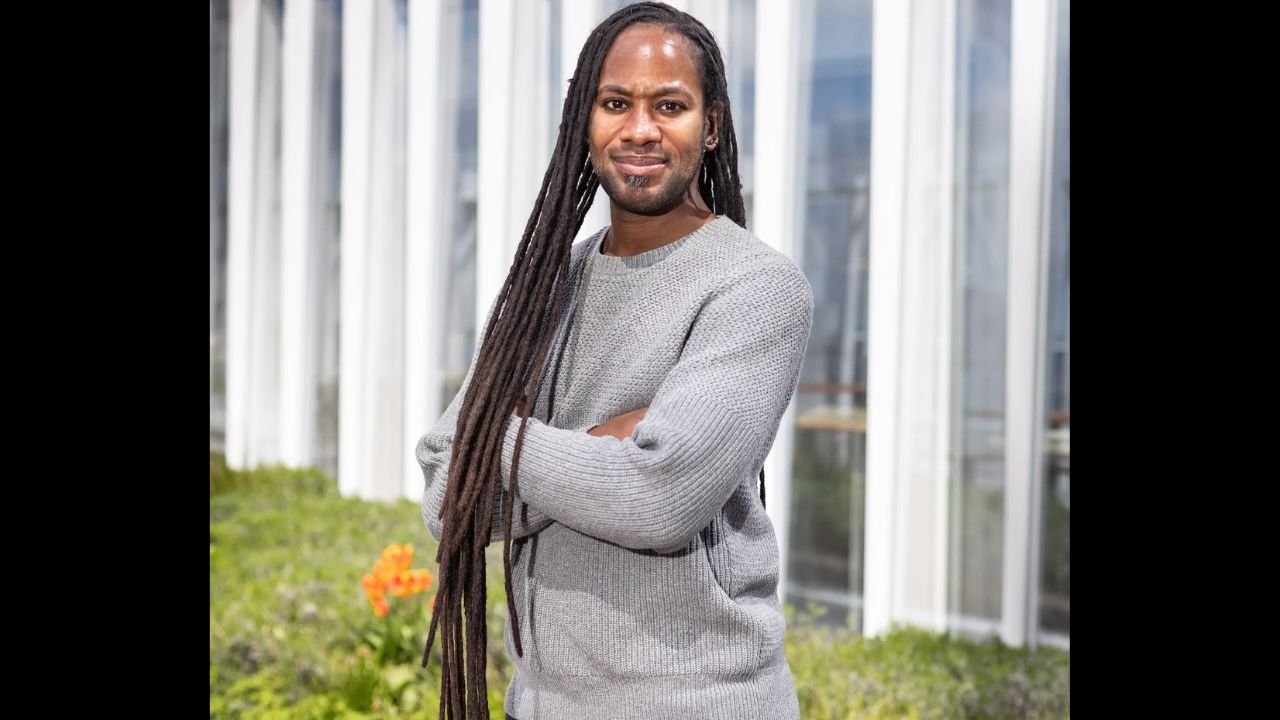
Jason Arday, the former University of Cambridge professor who made history as the university’s youngest Black professor, has died at the age of 41. His death was reported on August 14, 2026, shortly after he resigned from Cambridge amid intense scrutiny surrounding allegations about his academic work.
The most important point about the Jason Arday cause of death is that no official medical cause has been announced. Police have described his death as unexpected but said it is not being treated as suspicious. A report is being prepared for the coroner, meaning further information could emerge once the appropriate examination and investigation are completed.
Cause Unknown
At present, there is no confirmed explanation for Arday’s death.
The Metropolitan Police said officers were called to an address in Battersea, south London, where a 41-year-old man was found unresponsive. He was pronounced dead at the scene.
Authorities have not publicly identified a medical condition or other cause responsible for his death. The case is being handled as an unexpected death rather than a suspected criminal matter.
That distinction is important because speculation about the circumstances of his death has spread rapidly online. Until the coroner provides further information, claims about what caused Arday’s death remain unconfirmed.
When He Died
Arday was found dead on August 14, 2026, at his home in Battersea.
His death came only nine days after he announced his resignation from Cambridge on August 5. The timing has inevitably drawn attention because his departure followed weeks of intense public scrutiny over allegations concerning his PhD thesis and aspects of his professional biography.
However, the circumstances surrounding his death should not be presented as a confirmed consequence of those events. Police have not announced such a connection, and the official cause remains unknown.
His Resignation
Arday stepped down from his position as Professor of Sociology of Education at Cambridge on August 5.
His resignation followed an increasingly intense controversy involving allegations that parts of his doctoral thesis contained plagiarized material, as well as questions about claims he had previously made about his career and personal achievements.
Arday denied deliberate plagiarism and disputed aspects of the allegations. He acknowledged errors while maintaining that some of the public claims about him were misleading or inaccurate.
Cambridge had also been reviewing his appointment and academic record amid the controversy.
His Final Statement
In announcing his resignation, Arday described the pressure surrounding the controversy as overwhelming.
He referred to the continuing accusations, speculation and public commentary and said the situation had taken an unmanageable toll on his well-being.
Those remarks have received renewed attention following his death, particularly because they showed how seriously he viewed the level of scrutiny surrounding his career.
His family has also spoken about the pressure he experienced during the final period of his life.
Family’s Reaction
Arday’s family said they were shocked by his death and described him as a gentle person who wanted to see the best in others.
In a statement released through his publisher, the family said they believed a campaign of misinformation had placed enormous psychological pressure on him.
Their comments provide the family’s perspective on the circumstances surrounding his final days. They do not establish a medical cause of death, which remains a matter for the coroner and relevant authorities.
A Historic Career
Before the controversy surrounding his final months, Arday had become a prominent figure in British academia.
In 2023, he became Cambridge’s youngest-ever Black professor when he was appointed Professor of Sociology of Education.
His academic work focused on subjects including race, inequality, education and social policy. His rise was also notable because of the challenges he had described overcoming earlier in his life.
His career made him an important figure in discussions about representation within British higher education.
The Allegations
The controversy surrounding Arday centered partly on allegations concerning his 2015 PhD thesis.
Reports alleged that passages had been copied without proper attribution. Questions were also raised about some of the claims associated with his professional history and personal achievements.
Arday strongly rejected accusations that he had intentionally fabricated his academic career. He acknowledged mistakes but maintained that the broader portrayal of him was unfair.
Cambridge subsequently faced questions about how his appointment and academic credentials had been assessed.
Why Speculation Should Be Avoided
Because Arday’s death followed such a turbulent period, there has been significant online speculation about what happened.
That speculation should not be confused with established fact.
There is currently no official evidence that identifies a particular medical condition, accident or other event as the cause of death. Likewise, authorities have not said that his death was suspicious.
The coroner’s process is therefore important. It is expected to establish the medical circumstances surrounding his death and may provide a clearer answer later.
His Legacy
Despite the controversy that dominated the final period of his career, Arday’s life included significant academic achievements.
His appointment at Cambridge was historic, and his research addressed issues of inequality and representation that remain important in British education.
His death has prompted tributes from colleagues, universities and public figures, many of whom have remembered his contribution to academia while expressing sympathy for his family.
The circumstances of his final weeks will likely continue to receive attention, but his wider career cannot be reduced solely to the controversy that preceded his resignation.
What We Know Now
The answer to the question “What was Jason Arday’s cause of death?” is currently that it has not been officially disclosed.
Arday was found unresponsive at his Battersea home on August 14 and was pronounced dead at the scene. Metropolitan Police have described the death as unexpected but not suspicious, and a file is being prepared for the coroner.
Until an official finding is released, any specific claim about how Jason Arday died should be treated with caution. His family, friends and former colleagues are now mourning a 41-year-old academic whose life and career had already become the subject of extraordinary public attention in the weeks before his death.