
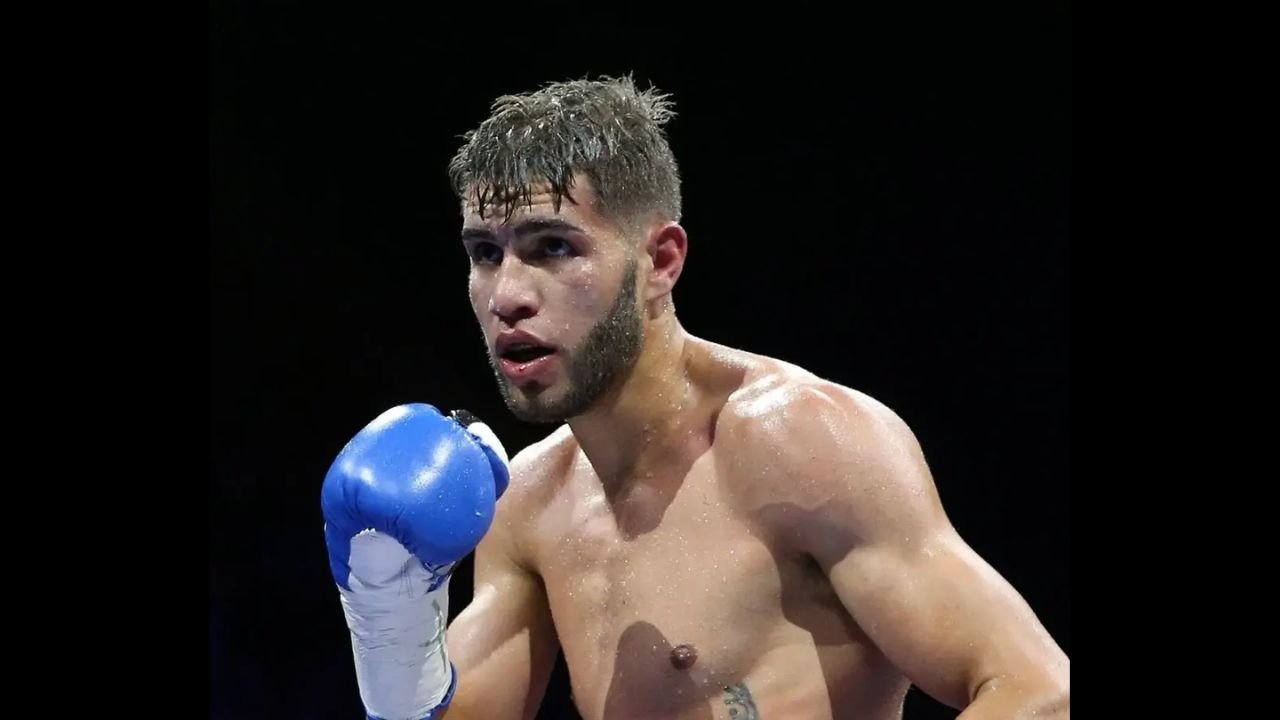
Former Puerto Rican professional boxer Prichard Colón died at 33 after spending more than a decade living with the devastating effects of a traumatic brain injury suffered during a 2015 bout against Terrel Williams.
Colón’s family confirmed his death in August 2026. Although reports connect his passing to the severe neurological damage caused by the 2015 fight, a separate final medical cause of death has not been publicly released.
His story is remembered not only as one of boxing’s most tragic cases but also as a powerful reminder of the potentially permanent consequences of head trauma in combat sports.
The 2015 Fight
On October 17, 2015, Colón entered the ring as an undefeated 23-year-old prospect. He faced American boxer Terrel Williams in a scheduled super-welterweight contest in Virginia.
Colón had built an impressive professional record and was viewed as one of Puerto Rico’s promising young fighters.
The bout, however, became controversial because Colón was repeatedly struck by punches to the back of his head. Those blows are commonly referred to as rabbit punches and are prohibited under boxing rules because of the danger they pose to the brain and spinal cord.
The contest ultimately ended with Williams winning by disqualification.
But the most serious consequences emerged only after Colón left the ring.
Sudden Collapse
Following the fight, Colón returned to the dressing room and began experiencing alarming symptoms.
He reportedly became dizzy and vomited before collapsing.
Medical personnel rushed him to hospital, where doctors discovered a massive subdural hematoma, a dangerous accumulation of blood around the brain.
The injury created life-threatening pressure inside his skull.
Doctors performed emergency surgery, including a hemicraniectomy, a procedure in which part of the skull is temporarily removed to give a severely swollen brain room to expand.
The operation saved his life, but the neurological damage proved catastrophic.
221 Days in Coma
Colón spent 221 days in a coma following the injury.
Eventually, he regained consciousness, but his condition was profoundly altered. The brain trauma had left him with severe and permanent neurological impairment.
He could no longer live independently or resume anything resembling his previous life as a professional athlete.
Instead, his family became his primary source of care.
Years of Medical Care
For more than a decade, Colón lived with the consequences of his brain injury.
His family cared for him at their home in Florida, providing the constant assistance required by his condition.
Colón was unable to move normally or communicate through ordinary speech. He depended on technology to communicate with those around him.
His mother, father and other relatives remained closely involved throughout his long medical journey.
The years following the fight transformed Colón’s story from that of a promising young boxer into one of extraordinary family devotion and resilience.
His Final Years
Colón’s condition remained severe for the rest of his life.
He never returned to boxing and never recovered the neurological abilities he possessed before the 2015 bout.
His family continued to share aspects of his journey, helping maintain public awareness of his condition while protecting his dignity.
The length of his survival was itself remarkable. Colón lived for nearly 11 years after the injury, despite the extent of the damage caused by the traumatic brain event.
Cause of Death
So, what was Prichard Colón’s cause of death?
The most accurate answer is that his death has been linked to the long-term complications of the catastrophic traumatic brain injury he suffered in 2015.
However, his family and publicly available reports have not released a separate, detailed final medical determination identifying a specific immediate cause of death.
That distinction is important.
It is established that Colón suffered devastating brain trauma during the fight and remained severely disabled afterward. It is also established that he died at 33 after more than a decade of medical complications.
What has not been publicly provided is a detailed final medical report explaining the precise physiological event that occurred immediately before his death.
Family Announcement
Colón’s father, Richard Colón, who was also his former coach, confirmed the boxer’s death.
The announcement brought an emotional conclusion to a medical struggle that had dominated the family’s life since October 2015.
His father described his son as being in a better place, while supporters across boxing remembered the young fighter whose professional career had been halted so suddenly.
Boxing’s Response
Colón’s case has also become part of the wider conversation about boxer safety.
Rabbit punches have long been prohibited, but his injury intensified public attention surrounding the dangers of blows to the back of the head.
The tragedy has been cited in discussions about stricter enforcement of existing rules designed to protect fighters from illegal head shots.
Boxing organizations have subsequently emphasized the importance of preventing such punches and protecting competitors from avoidable neurological injuries.
A Career Cut Short
Before the 2015 fight, Colón had a 16-0 professional record, making him one of Puerto Rico’s promising young boxing talents.
At only 23, he appeared to have years ahead of him.
Instead, one night in the ring permanently changed his future.
His career ended before he could challenge for a major world title or realize the ambitions he had built during his unbeaten rise through the professional ranks.
Prichard Colón’s story extends far beyond his record in the ring.
His decade-long struggle demonstrated the devastating effects that a single traumatic brain injury can have on an athlete and an entire family.
His father and relatives provided years of care while supporters continued following his journey.
His death at 33 has renewed discussion about fighter safety, illegal blows and the responsibility of boxing authorities to protect athletes.
For now, the clearest answer to the question “What caused Prichard Colón’s death?” is this: his passing was associated with the long-term consequences of the catastrophic brain injury he suffered during his 2015 fight with Terrel Williams, while a separate official final medical cause has not been publicly disclosed.