
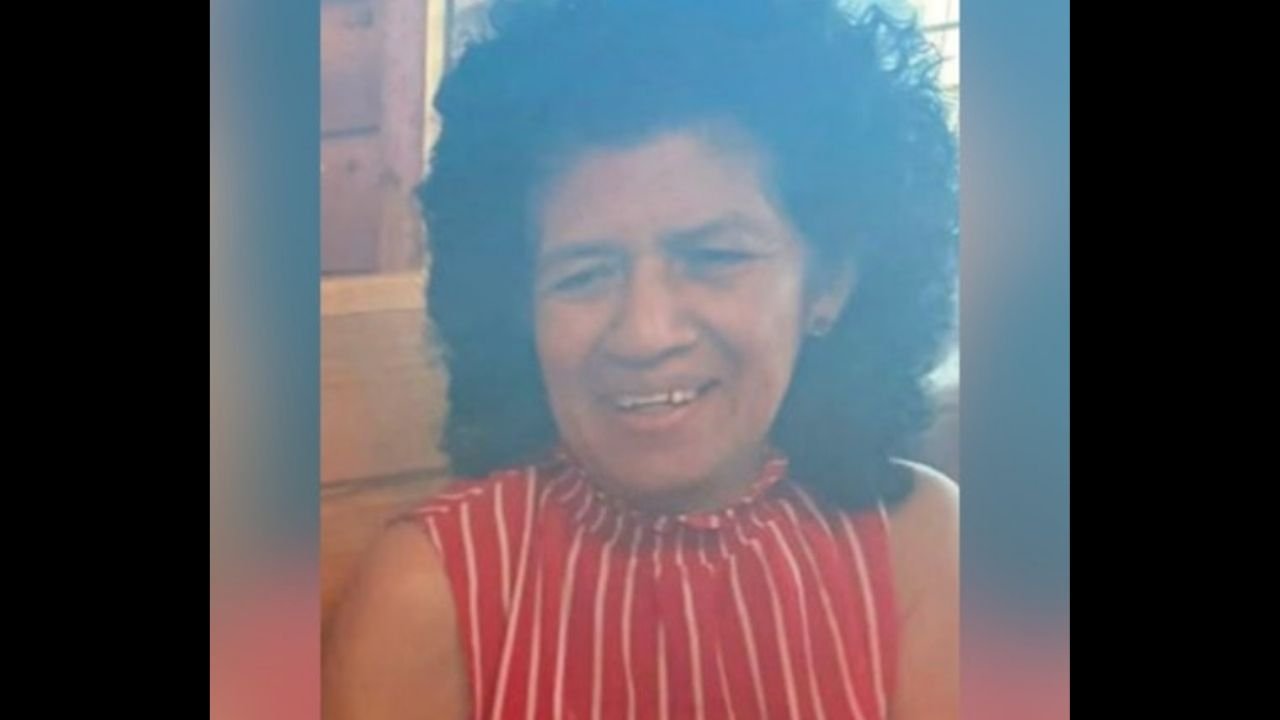
A missing-person search in Irving, Texas, ended safely Sunday evening after 67-year-old Consuelo Berrios was located and reunited with her family only hours after police asked residents to help find her.
The Irving Police Department announced the positive development shortly after 7 p.m., thanking members of the public who shared the department’s alert and remained watchful during the search.
Berrios had last been seen around midday in the 4100 block of Polaris Drive in Northwest Irving. Her disappearance prompted police to quickly seek assistance from the community while officials worked through the requirements that would have been necessary for a formal Silver Alert.
Found Safe
Irving police confirmed the search had ended in a brief update posted shortly after 7 p.m.
The department said Berrios had been located safely and was back with her family. Police also expressed appreciation to residents who helped circulate the original missing-person notice.
The successful outcome came several hours after the department first asked the public to watch for Berrios.
Although the search was ultimately resolved without a statewide alert, police treated the situation seriously because of Berrios’ age and the potential risks associated with a vulnerable missing adult.
Public Help
Before Berrios was found, Irving police used social media to reach residents directly.
The department asked anyone who might have information about her whereabouts to contact police. Residents were encouraged to call 911 for emergencies or use the department’s non-emergency number for information that did not require an immediate response.
That approach allowed investigators to distribute information quickly while other steps were being considered.
For missing older adults, the first few hours can be especially important. A person who becomes disoriented may travel farther from the location where they were last seen, potentially entering busy roads, unfamiliar neighborhoods or other hazardous areas.
Silver Alert
A statewide Silver Alert was being considered in Berrios’ case, but police said they were still awaiting documentation concerning her medical condition.
Texas has specific eligibility requirements before a Silver Alert can be issued. The program is intended for missing older adults who meet criteria involving a documented cognitive impairment or similar condition.
Law enforcement agencies must obtain written confirmation from a medical professional documenting the qualifying condition before requesting the statewide notification.
That requirement means police may have to rely on local alerts and other investigative methods while the necessary documentation is gathered.
In Berrios’ case, she was found before that process resulted in a statewide alert.
Texas Program
Texas established its Silver Alert program in 2007 as a statewide system designed to help locate missing older people who may be especially vulnerable.
The program operates differently from a standard missing-person investigation. Not every missing senior automatically qualifies for a Silver Alert.
Under Texas rules, an eligible request must generally be made within 72 hours of the disappearance. Once activated, a Silver Alert can distribute information through several channels, including highway message signs, broadcast media and law-enforcement communications.
The system is designed to expand the search beyond the immediate jurisdiction when circumstances warrant a broader public response.
Why Time Matters
The urgency surrounding missing people with dementia or other cognitive impairments is well established.
Alzheimer’s Texas reports that more than 60% of people living with dementia may wander at some point. The organization also warns that an individual who remains missing can face a significantly greater risk of injury or death as time passes.
Those concerns help explain why local police departments often seek public assistance immediately rather than waiting for every element of a formal statewide notification to be completed.
Social media can provide a particularly fast way to reach residents who live, work or travel near the last-known location.
Bigger Challenge
Berrios’ case also highlights a broader challenge facing Texas communities.
The Alzheimer’s Association estimates that hundreds of thousands of Texans aged 65 and older are living with Alzheimer’s disease. As the state’s older population grows, law enforcement agencies may increasingly encounter cases involving residents who become lost or disoriented.
Research into Texas Silver Alert activity has also examined patterns involving when and where missing older adults are reported, as well as how far they may travel. Such information can help authorities refine search strategies and determine where resources may be most effective.
Northwest Irving
Berrios was last seen in the Polaris Drive area of Northwest Irving, a developed part of the city located near major transportation routes.
The neighborhood’s proximity to highways and busy roads can add complications to a search involving an older adult who may be unfamiliar with their surroundings.
For investigators, identifying the last known location is therefore an important starting point. Information from nearby residents, drivers and businesses can potentially help establish where a missing person went after being last seen.
Call Police
Irving police continue to remind residents that social media should not be used as a substitute for emergency reporting.
Anyone facing an immediate emergency should call 911. For routine information or non-emergency police matters, the Irving Police Department’s administrative non-emergency number is 972-273-1010.
The department’s social media accounts can help distribute public information, but residents should contact dispatch directly when immediate police assistance is needed.
Safe Ending
The search for Berrios ultimately concluded without the need for a statewide Silver Alert.
Her safe return also demonstrated the value of rapid community involvement. Residents who noticed the police message, shared it with others or simply kept watch helped expand the number of people looking for her during the critical early hours.
For Berrios’ family, however, the most important update came Sunday evening: she was found safe and was back home with the people waiting for her.
The case serves as a reminder that when an older person disappears, even a local police appeal can quickly become a community-wide effort—and that timely information can make a crucial difference.